In Singapore, how much can landlord increase rent depends mainly on the tenancy agreement, not a general rent-control law, because Singapore does not cap rental price increase by statute. If a rent increase looks unreasonable, the practical path is to check the lease, respond in writing, then try mediation before escalating to the Small Claims Tribunals (SCT) or, in some cases, the civil courts.
This cluster article supports Homejourney’s broader rental rights and dispute-resolution pillar by showing tenants and landlords how to handle a rent increase Singapore dispute safely, document it properly, and choose the right forum at the right time.
Handling Unreasonable Rent Hikes: Dispute Resolution, SCT and Mediation Options in Singapore
There is no blanket rent cap in Singapore, so the key question is whether the increase is allowed under the signed lease and whether the landlord is trying to change rent mid-term without consent. Homejourney’s guidance is to treat every dispute as a documentation exercise first: preserve the contract, messages, payment records, and any notice of renewal or escalation. If the rent hike breaches the tenancy agreement, tenants can negotiate, seek mediation, and then consider SCT if the claim falls within its jurisdiction. This is the safest, most evidence-based way to approach rent hike rules in Singapore.
1. Check whether the rent increase is actually allowed
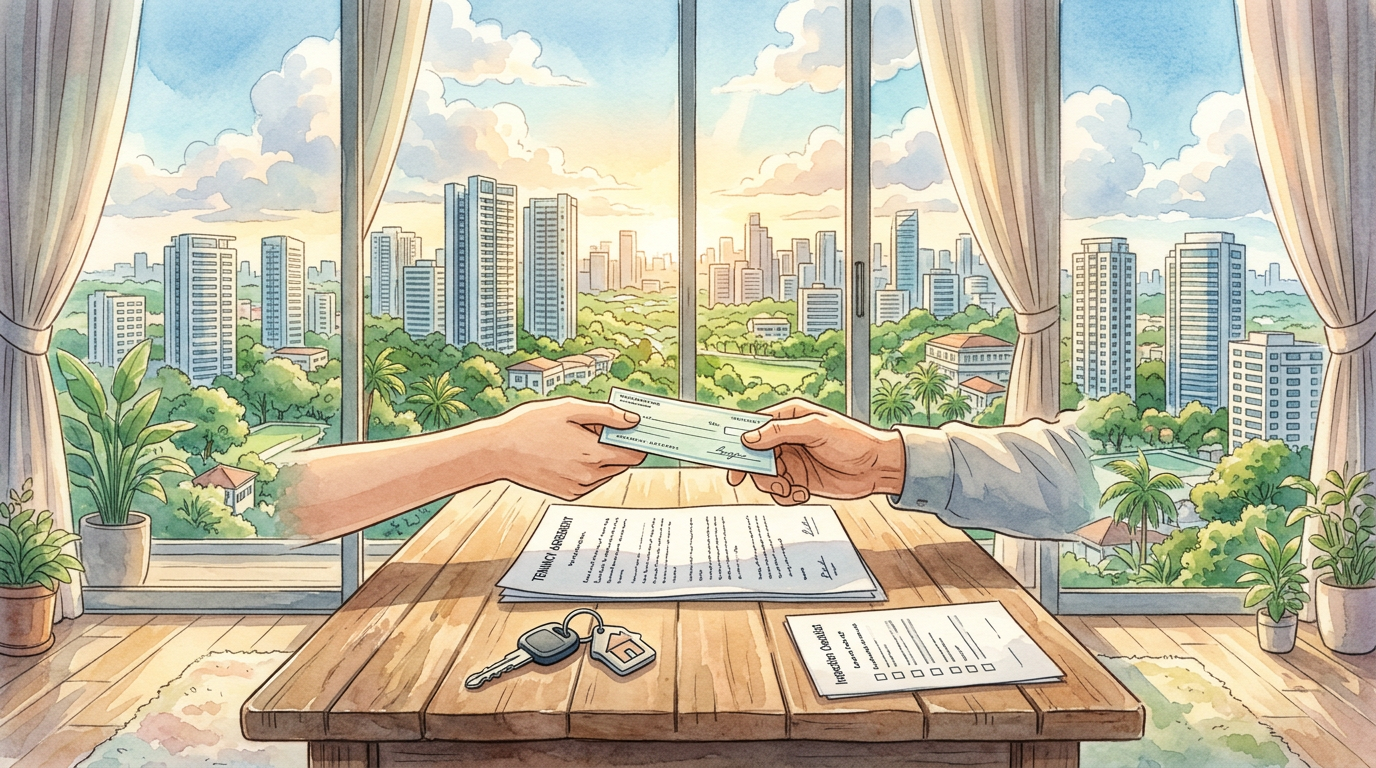
The first step is to read the tenancy agreement carefully, especially the clauses on fixed rent, renewal, option-to-renew, and any escalation clause. In Singapore, a landlord generally cannot impose a mid-lease rent increase unless the tenant agrees or the lease itself allows it. For landlords and investors, this is why clear drafting matters; for tenants, it is why signing a written lease is critical even though written agreements are not legally required in every case.
For broader market context, landlords often justify rent changes by pointing to higher financing costs, maintenance, or market rates, but those reasons do not override the signed contract. If you are a landlord reviewing affordability, Homejourney’s
Common signs the increase may be unreasonable
- The landlord demands more rent before the current fixed term ends.
- The lease has no escalation clause, yet a higher amount is demanded unilaterally.
- The landlord threatens lockout, service cuts, or deposit forfeiture if the tenant refuses.
- The increase is communicated only verbally, with no written notice or supporting clause.
2. Start with written negotiation, not confrontation
For most rental price increase disputes, the best first move is a calm written reply. Singapore disputes are often resolved before they become formal claims because the evidence trail becomes clearer and both sides can reassess the lease language. A good response should state the agreed rent, cite the relevant clause, and ask for a correction or written explanation within a fixed time window, usually 7 to 14 days. This approach is consistent with Homejourney’s safety-first stance: keep the interaction professional, traceable, and non-escalatory.
A useful structure is: acknowledge the message, refer to the signed tenancy agreement, explain why the increase is disputed, and propose a meeting or written negotiation. If the tenant needs time to relocate, mention a practical handover timeline instead of arguing abstractly about fairness. If the landlord is open to compromise, consider a shorter renewal term, a smaller increase, or a longer lease in exchange for stable rent.
For tenants searching for a better-fit unit rather than fighting every renewal, Homejourney’s property search can help you compare options with clearer terms: https://www.homejourney.sg/search?status=For+Rent. If the dispute is driven by an agent’s handling of the renewal, tenants can also contact a professional from
3. Use mediation before formal claims
Mediation is usually the most practical next step when written negotiation fails. Official dispute-resolution channels in Singapore commonly direct tenancy disputes toward mediation before litigation, and the Community Mediation Centre is often the most appropriate starting point for neighbourly or relationship-based disputes. In some rental contexts, the Singapore Mediation Centre is also used, especially when both sides want a structured neutral process and the dispute is contractual rather than personal. Homejourney’s rental-dispute guidance consistently recommends mediation first because it is faster, less adversarial, and cheaper than court.
Mediation works best when both sides bring evidence, not emotions. The tenant should bring the lease, rent receipts, WhatsApp or email threads, and any written notice of the hike. The landlord should bring the lease version signed by both parties and any clause that supports the proposed increase. If the dispute involves a property agent, mediation can also clarify whether the issue came from miscommunication, poor documentation, or a genuinely disputed contractual term.
For related reading, Homejourney’s cluster articles on
4. When the Small Claims Tribunals can help
The SCT is a useful forum for certain tenancy-related disputes, but it is not a general rent-control body. Its role is to resolve qualifying claims efficiently, usually after direct negotiation and mediation have failed. Current SCT jurisdiction covers claims up to S$20,000, and proceedings are designed to be lower-cost and more accessible than civil litigation. State Courts materials and public guidance indicate that the process begins online through the Community Justice and Tribunals System, followed by service of the claim and a consultation session.
For a rent hike dispute, the SCT is most relevant when the issue can be framed as a contractual dispute within its jurisdiction, such as an unlawful demand, wrongful deduction, or a related monetary claim. It is less useful if the tenant is simply unhappy with a proposed renewal price after the original lease ends, because a landlord is generally free to offer a new rent for a new term. The critical distinction is whether the landlord is breaching an existing agreement or merely negotiating a new one.
What to prepare before filing
- A signed tenancy agreement and any addenda.
- Proof of rent payments, such as bank transfers or receipts.
- Written notices, emails, WhatsApp messages, and dated screenshots.
- Any mediation correspondence or settlement attempt.
- Photos or records if the dispute is linked to withheld services, access issues, or damage claims.
How SCT usually unfolds
- File the claim through the State Courts online system.
- Serve the papers on the other party within the required timeframe.
- Attend the consultation session, where mediation may still resolve the case.
- If unresolved, proceed to hearing and present documents clearly and chronologically.
- Comply with the tribunal’s order if one is issued.
5. When the civil courts may be necessary
If the amount in dispute exceeds the SCT limit or involves more complex legal questions, the dispute may need to go to the civil courts. This can happen when there are overlapping claims about damages, lease interpretation, or unlawful conduct that falls outside SCT’s practical scope. Because litigation is more expensive and slower, it should usually be treated as a last resort after negotiation and mediation have failed. This is where legal advice becomes important, especially for landlords with multiple properties or tenants facing significant financial exposure.
For HDB rentals, landlords and tenants should also be careful not to confuse general contract rules with HDB subletting requirements, which are separate from ordinary private lease disputes. Landlords must also consider IRAS rental income reporting and lease stamp duty rules where applicable. For leases of one year or more, stamp duty is generally payable at 0.4% of the annual rent, so poor documentation can create tax and evidence problems later.
6. Evidence checklist for a stronger case
The strongest rental disputes are the ones built on clean records. Keep every version of the lease, every rent notice, and every payment trail in one folder. If the landlord’s request changed over time, preserve the entire message chain rather than only the final note. If there was a phone call, send a follow-up email summarising what was said so the record is contemporaneous.
- Signed lease and any renewal draft.
- Written notice of rent change.
- Bank statements or transfer confirmations.
- Timestamped chats, emails, and photos.
- Witness notes if a managing agent or third party was present.
For tenants trying to reduce future friction, Homejourney recommends confirming the next lease term in writing early, ideally before the current term expires. For landlords, use transparent renewal terms and avoid last-minute surprises that trigger avoidable disputes. Good documentation now prevents a larger conflict later.
7. Practical prevention tips for future lease renewals
The best way to handle an unreasonable rent hike is to reduce the chance of one in the first place. Negotiate renewal timing early, keep a written record of all agreed rent changes, and make sure any escalation clause is clear about amount, timing, and notice period. If you are a tenant, ask for the renewal offer in writing at least a month before expiry. If you are a landlord, ensure the increase is commercially defensible and contractually valid.
For tenants planning a move, Homejourney’s rental search is useful for finding units with clearer terms and better transparency: https://www.homejourney.sg/search?status=For+Rent. If the property needs maintenance before handover or before the next tenancy, Homejourney also supports related services such as
FAQ: Unreasonable rent hikes in Singapore
Can my landlord increase rent during the lease?
Usually no, unless your tenancy agreement allows it or you agree in writing. A mid-term increase without consent is generally a contractual dispute, not a normal renewal adjustment.
How much can landlord increase rent in Singapore?
There is no statutory rent cap in Singapore for private tenancy agreements. The limit is determined by the lease terms, negotiation, and market conditions at renewal.
Should I go to SCT or mediation first?
Mediation should usually come first because it is faster and less costly. SCT is more suitable after direct negotiation and mediation have failed, and only if the claim fits the tribunal’s jurisdiction.
What documents do I need for a rent dispute?
Bring the tenancy agreement, rent payment proof, the rent increase notice, and all written communication with the landlord or agent. A clear timeline of events is often as important as the documents themselves.
Can I refuse to pay the increased amount?
If the increase is not allowed under the lease, you can state in writing that you dispute it and continue paying the contracted rent. If the landlord threatens eviction or other pressure tactics, seek mediation or legal advice quickly.
For a safer next step, use Homejourney to review rental options, connect with professional agents, and keep your lease terms transparent before you sign or renew.