In Singapore, when a rental property is sold, the security deposit transfer automatically passes from the selling landlord to the new owner, who assumes responsibility for refunding it to the tenant at the end of the tenancy. This process is governed by common law and tenancy agreement terms, ensuring tenant protection during rental property sales. Homejourney prioritizes user safety by verifying these details, helping you navigate property sold tenant rights confidently.
This cluster article focuses on security deposit transfer in rental property sales, a key aspect of our broader pillar on Security Deposit Rules in Singapore. It provides tactical steps for tenants and landlords facing a landlord selling scenario.
What Happens to Your Security Deposit When the Landlord Sells?
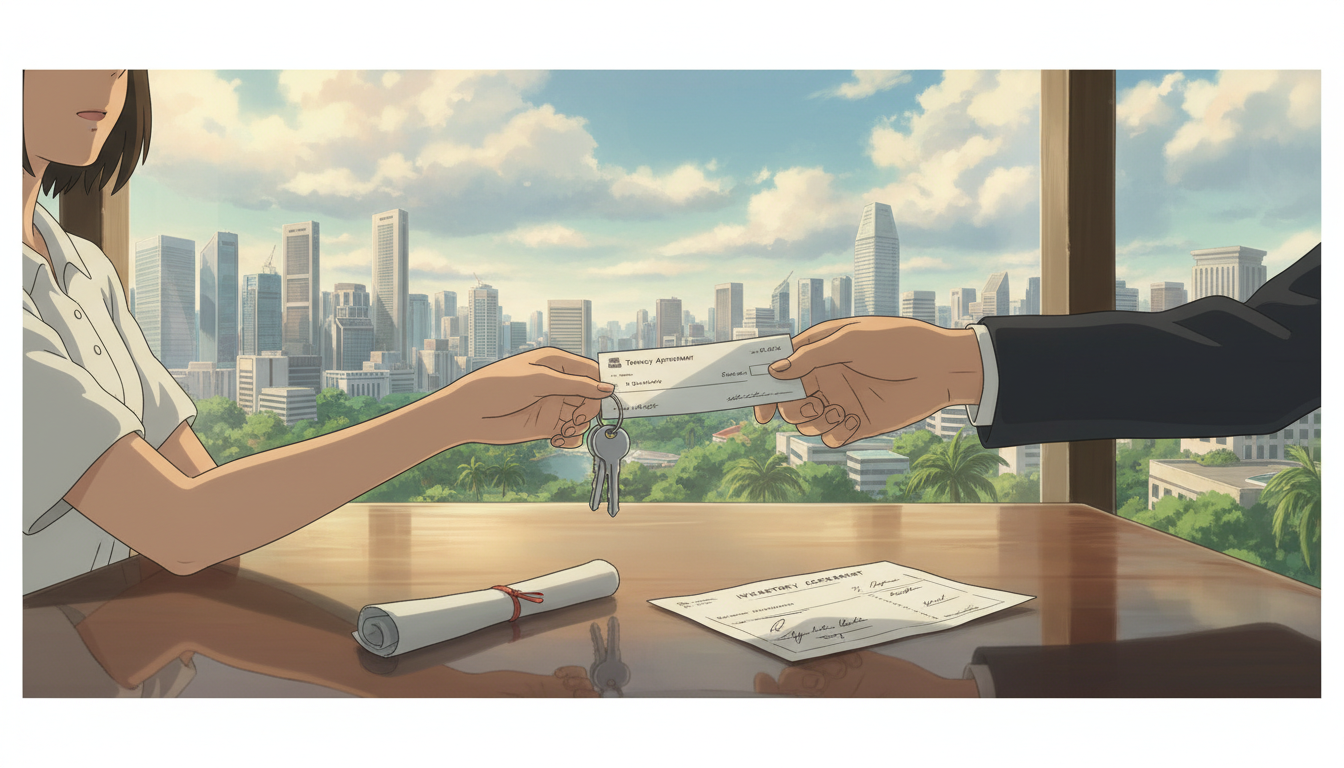
Under Singapore's common law principles, the security deposit—typically 1-2 months' rent—transfers to the new owner tenant relationship upon property sale completion.[4][5] The new owner steps into the selling landlord's shoes, inheriting all tenancy obligations, including holding and refunding the deposit minus legitimate deductions like damages or unpaid rent.[1][2]
No statutory law mandates this transfer explicitly, but it's standard practice derived from contract law and upheld in disputes at the Small Claims Tribunal (SCT), which handles claims up to S$20,000.[4] For HDB rentals, HDB subletting rules apply, requiring the new owner to obtain subletting approval if not already in place.[2]
Key Fact: Average security deposits are around S$4,000, reflecting condo rents of S$3,000-S$5,000 monthly.[2] Homejourney verifies rental listings to ensure transparent terms, reducing risks in tenancy transfer.
Legal Basis and Tenant Rights in Rental Property Sales
Singapore lacks a dedicated Rental Act; rights stem from the tenancy agreement (TA), Stamp Duties Act (for leases over 1 year at 0.4% annual rent), and common law.[2][4] Tenants retain full rights under the existing TA, which binds the new owner automatically upon sale.[5]
The selling landlord must notify tenants of the sale and provide buyer details for deposit transfer proof.[5] Failure to do so could breach the TA, allowing tenants to escalate via Community Mediation Centre or SCT.[2] For expats in areas like Orchard or Tanjong Pagar, this protects against disruptions during high-demand rental periods.
Landlord Responsibilities During Sale
Selling landlords must:
- Inform tenants in writing of the sale and impending transfer.[5]
- Hand over the deposit amount to the buyer at completion, with receipts.
- Limit viewings to 2 per week, weekdays 2-5pm only.Viewings During Property Sale: Tenant Rights and Limits | Homejourney
Insider tip: In competitive markets like Bedok or Jurong, document everything—photos, emails—to avoid disputes. Homejourney's rental search filters for tenant-friendly listings.
Step-by-Step Guide: Handling Security Deposit Transfer
Follow these actionable steps for smooth security deposit transfer in rental property sales.
For Tenants
- Request Written Confirmation: Ask the selling landlord for the buyer's details and proof of deposit transfer (e.g., bank statement).[1][5]
- Update TA Copy: Note the new owner's details on your stamped TA.
- Document Handover: At move-in with new owner, redo inventory checklist with photos/videos.[1][2]
- Monitor Refund: At tenancy end, expect refund within 7-30 days post-inspection.[2]
For Landlords and New Owners
- Notify Tenant: Provide sale notice 14-30 days in advance.
- Transfer Funds: Pay deposit to buyer via bank transfer; issue receipt.[1]
- Joint Inspection: Conduct with tenant at takeover.[2]
- Issue New Receipt: New owner confirms holding deposit in writing.
For financing impacts, check Homejourney bank rates.[2]
Common Issues and How to Resolve Them
Disputes arise if the selling landlord withholds the deposit or the new owner denies responsibility.[4] Warning signs: No transfer proof, vague communications, or sudden TA changes.
Documentation Tips:
- Take dated photos/videos at every handover.[1]
- Keep bank transfer records and receipts.[2]
- Email all agreements for paper trail.
Read our move-in documentation guide for templates.[1]
What If Rights Are Violated? Escalation Steps
If deposit isn't transferred properly:
- Communicate: Send formal email demanding proof (use templates from our disputes guide).
- Mediate: Approach Community Mediation Centre (free, quick resolution).
- SCT Claim: File online at State Courts (S$10-S$20 fee, no lawyers needed). Win rates high with evidence.[4]
- Legal Advice: Consult CEA-registered agents via Homejourney agents for complex cases.
Disclaimer: This is general guidance; seek professional advice for your situation. Homejourney verifies agent credentials for trust.[2][4]
Prevention Tips for Secure Transactions
Avoid pitfalls with these strategies:
- Negotiate Clauses: Include "deposit transfer on sale" in TA. See top clauses guide.
- Check Seller Status: Ask if property is listed for sale before signing.
- Verify New Owner: Confirm buyer's contact and intent to honor TA.[5]
- Use Homejourney: Search verified rentals at property search.
For maintenance post-sale, book aircon services to protect your deposit.[1]
Frequently Asked Questions (FAQ)
Q: Does the new owner have to honor my tenancy agreement?
A: Yes, the TA binds the new owner fully; they cannot evict without cause.[5]
Q: Can the selling landlord keep my deposit?
A: No, it must transfer to the buyer. Demand receipts or escalate to SCT.[4][5]
Q: What if the new owner refuses to return the deposit?
A: Treat as any end-of-tenancy dispute—itemized deductions required within 7-30 days. File SCT claim with evidence.[2][4]
Q: Is deposit transfer different for HDB vs private properties?
A: Similar, but HDB needs subletting approval transfer. Check HDB portal.[2]
Q: How long does transfer take?
A: Immediate upon sale completion; get confirmation within days.[1][5]
Master security deposit transfer in rental property sales with Homejourney's trusted resources. Explore our pillar on Security Deposit Rules and search safe rentals today at Homejourney.