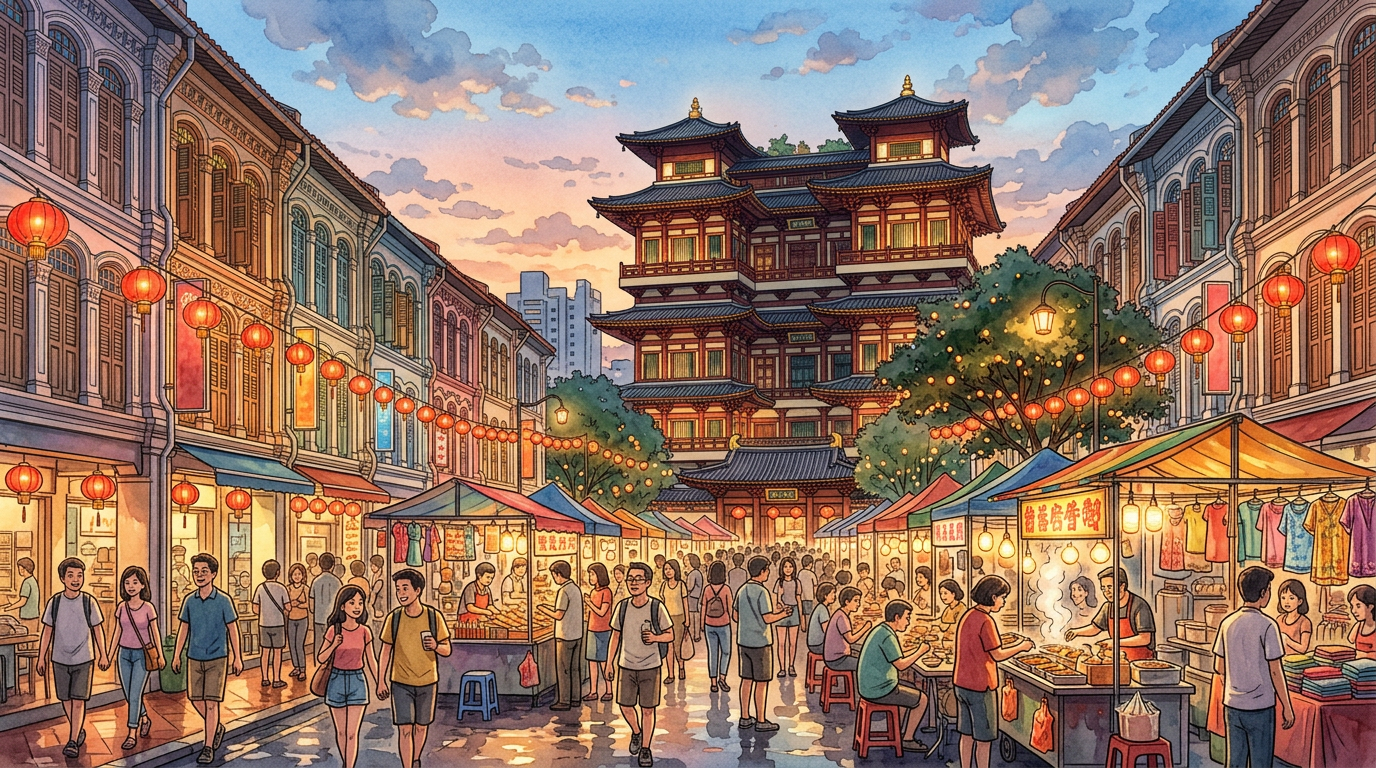
Singapore Chinatown Complete Guide for Tourists Tickets, Prices and Opening Hours starts with one simple answer: Chinatown Singapore is one of the easiest heritage districts to visit in the city, with a mix of free street walks, hawker food, and ticketed attractions such as the Chinatown Heritage Centre and Buddha Tooth Relic Temple nearby. For travellers planning an efficient itinerary, it is a compact area best explored on foot, and it also connects well to Homejourney’s broader Singapore travel and lifestyle guides.
Singapore Chinatown: what to know before you go
Chinatown Singapore is a heritage neighbourhood centred around Pagoda Street, Smith Street, Temple Street, Trengganu Street, and the surrounding Kreta Ayer area. The area is known for preserved shophouses, food stalls, temples, souvenir shops, and seasonal celebrations, especially Chinese New Year light-ups and festive fairs. Visit Singapore describes Chinatown Street Market as free admission and daily operating from 9:30am to 10:00pm, making it a flexible stop for both day and evening plans.
For first-time visitors, the main appeal is variety: you can pair cultural sights, budget-friendly food, and heritage learning in one short walk. If you are mapping a broader Singapore itinerary, this also makes Chinatown a practical anchor point for nearby districts such as Telok Ayer, Clarke Quay, and the Civic District. Homejourney recommends using a clear route plan so you can spend less time backtracking and more time enjoying the neighbourhood safely and comfortably.
Essential information box
Address and how to get there
The most useful base point is Chinatown MRT, which serves the Northeast Line and Downtown Line, and the Chinatown Visitor Centre at 2 Banda Street is a helpful reference point behind Buddha Tooth Relic Temple. For the Chinatown Heritage Centre, the address is 48 Pagoda Street, Singapore 059207, with Chinatown MRT Exit A listed as the nearest MRT exit. If you are visiting the street market, Visit Singapore lists 29 Smith Street, Singapore 058943 as a key access point.
Opening hours and admission
Chinatown Street Market is free to enter and operates daily from 9:30am to 10:00pm. Chinatown Heritage Centre is open daily from 10:00am to 8:00pm, with last entry at 7:15pm, and it notes a maintenance closure on 14 July 2026. Admission details are managed directly by the venue, and children below 3 enter free while resident and concession verification may be required.
Best time to visit
For a calmer experience, weekday mornings are usually the easiest time to explore the streets and take photos before crowds build. For atmosphere, evenings are stronger, especially around dinner time when hawker stalls and the street market are busiest. If you are visiting during festive periods, expect heavy foot traffic and plan extra time for queues and walking detours.
How long to spend there
Allow 2 to 4 hours for a focused visit, or half a day if you want to include a museum, temple stop, and a full meal at a hawker centre. A shorter 90-minute visit works if your goal is simply to see Pagoda Street, eat, and take photos. Travellers who like slow cultural visits should plan longer because the area rewards wandering rather than rushing.
What to see and do in Chinatown Singapore
1. Walk Pagoda Street and the heritage lanes
Pagoda Street is one of the most recognisable parts of Chinatown Singapore and a strong starting point for any walking route. The street is lined with souvenir shops and heritage shophouses, and it is one of the best places to understand how the district blends tourism with preserved urban character. For property-minded readers, this is also a good example of how Singapore protects and activates older neighbourhoods through conservation and mixed-use foot traffic.
2. Visit Buddha Tooth Relic Temple
Buddha Tooth Relic Temple is one of the area’s signature landmarks and is commonly combined with the surrounding Chinatown walk. The temple is especially useful for visitors who want a quieter cultural stop between food and shopping. Dress modestly, speak softly, and be mindful that this is an active place of worship rather than only a sightseeing attraction.
3. Explore Chinatown Heritage Centre
Chinatown Heritage Centre is the most structured way to understand the district’s history, especially if you want context beyond the street-level experience. The centre’s daily opening hours are 10:00am to 8:00pm, with last entry at 7:15pm. Because admission is limited by time slot capacity and identity verification may be required for some concession categories, it is safer to check ticket conditions before arriving with a group or family.
4. Eat at Chinatown food spots
Chinatown food is one of the main reasons visitors stay longer than planned. Visit Singapore highlights chicken rice, popiah, and chendol among the area’s popular local foods, and the street market is particularly convenient for casual meals. If you want the most efficient food stop, combine the neighbourhood with nearby hawker centres and keep your meal budget flexible because options range from inexpensive snacks to sit-down restaurants.
Tickets, prices, and money-saving tips
Many of the best Chinatown experiences are free, including street walking, exterior photography, and browsing the market. The Chinatown Street Market is free admission, which makes it one of the easiest low-cost heritage stops in central Singapore. That means you can spend on the parts that matter most to you, such as a museum ticket, a guided experience, or a proper meal.
For ticketed attractions such as Chinatown Heritage Centre, check the venue’s official admission and concession rules before going, because resident status, age, and proof of eligibility can affect pricing or entry conditions. A practical money-saving approach is to visit the free street areas first, then decide whether you still want to pay for the museum once you have already experienced the neighbourhood. Homejourney recommends this sequence because it reduces wasted spend and works well for families and short-stay travellers.
Best-value visitor strategy
- Arrive early and photograph the streets before crowds peak.
- Use the free Chinatown walk first, then choose one paid attraction only.
- Eat at hawker-style options rather than multiple sit-down stops if your goal is budget control.
- Check for festival timing, since special events can increase both crowd levels and food prices.
Practical tips for a smooth Chinatown visit
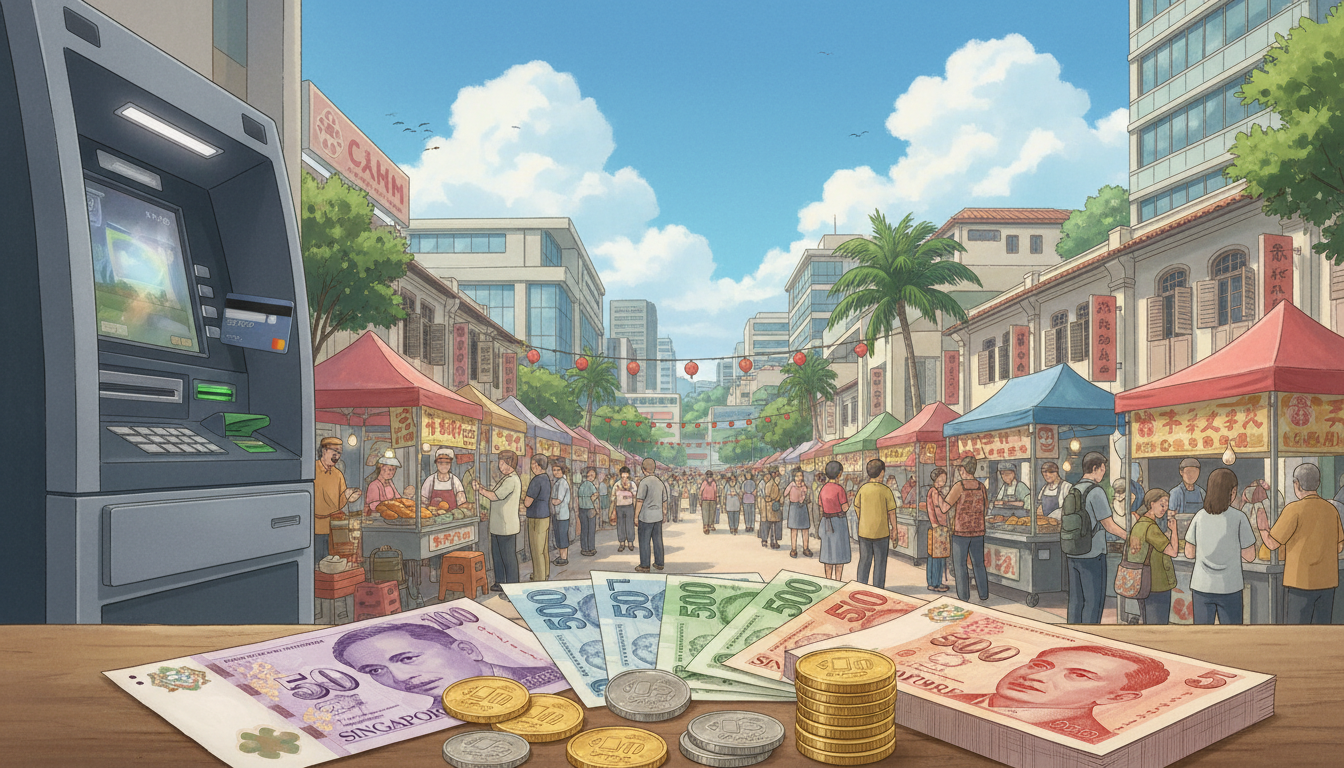
Wear comfortable shoes because the best experience comes from walking between Pagoda Street, Temple Street, and the visitor centre. Bring water, a portable umbrella, and a small amount of cash for older food stalls or souvenir purchases, even though many places in Singapore accept cashless payments. If you are travelling with children or seniors, plan for rest breaks because crowds can make short distances feel longer.
Accessibility is generally manageable around the main streets, but pavements can become crowded during peak hours and festivals. Restrooms are easiest to find in nearby malls, visitor facilities, or attractions rather than directly on the street. For safety, keep personal belongings zipped and stay alert in packed areas, especially when taking photos or eating in busy open-air sections; this fits Homejourney’s broader trust-first approach to travel planning.
Local insider tips
- Go on a weekday morning for the cleanest photos and least congestion.
- Visit the museum first if you want quieter galleries, then eat after.
- Use Chinatown MRT Exit A for a straightforward route to Pagoda Street and the heritage core.
- If you are visiting during Chinese New Year, expect major crowds and plan a slower pace.
Nearby attractions to combine in one day
Chinatown works well as part of a half-day walking itinerary because several nearby attractions are close enough to combine without extra transport. The Chinatown Visitor Centre at 2 Banda Street is a useful stop if you need route advice, tickets, or accommodation suggestions. You can also link Chinatown with surrounding city-centre heritage areas for a fuller day of sightseeing.
If you are building a longer Singapore itinerary, related Homejourney guides such as Homejourney's Singapore Museums Guide Itinerary: Plan Your Visit and Homejourney's Best Food Near Singapore Museums Guide 2026 can help you pair cultural sights with dining efficiently. For travellers who prefer nature after heritage sightseeing, Homejourney’s trail articles like Southern Ridges Trail: Tickets, Prices & Hours | Homejourney provide a useful contrast in pace and setting.
Where to stay near Chinatown Singapore
Chinatown is a strong base if you want central access, heritage character, and easy MRT connections. Budget travellers often prefer hostels or compact city hotels near the station, while repeat visitors may choose serviced apartments or boutique hotels for longer stays. If you are also considering buying or investing in Singapore property, the area’s conservation value and walkability make it a useful case study, and you can use Property Search and Projects Directory on Homejourney to explore the broader market context.
For practical post-move living support after a property purchase, Homejourney also maintains useful service pages such as Aircon Services and Mortgage Rates . That makes the platform helpful not only for travel planning in Singapore, but also for trust-led decisions around housing, upkeep, and financing.
Seasonal considerations and special events
Chinese New Year is the most dramatic time to visit Chinatown, with street light-ups, festive fairs, and extended evening activity. Festival periods add atmosphere, but they also raise crowd density and make walking slower, so travellers with limited time should decide in advance whether they want energy or convenience. For quieter visits, avoid major public holiday evenings and instead choose a weekday morning or early afternoon.
Weather matters as well because Singapore’s heat and rain can affect comfort quickly. Carry an umbrella or rain jacket, and plan indoor stops such as the heritage centre or temple between outdoor walks. If the forecast is wet, the area is still visitable, but the experience is better when you are prepared for slippery pavements and heavier shelter demand.
FAQ: Singapore Chinatown tickets, prices and opening hours
Is Chinatown Singapore free to visit?
Yes. The street market and general Chinatown walking areas are free to enter, and you only pay if you choose a ticketed attraction such as a museum or special tour.
What are the opening hours for Chinatown Heritage Centre?
Chinatown Heritage Centre is open daily from 10:00am to 8:00pm, with last entry at 7:15pm.
Which MRT exit is best for Pagoda Street?
Chinatown MRT Exit A is the nearest exit listed for Chinatown Heritage Centre on Pagoda Street, and it is the most practical starting point for the heritage core.
How much time should I spend in Chinatown?
Most visitors should plan 2 to 4 hours, but half a day is better if you want to include food, a museum, and photos without rushing.
What should I eat in Chinatown Singapore?
Popular choices include chicken rice, popiah, and chendol, which are highlighted as typical Chinatown food options by Visit Singapore.
For travellers who want to plan Singapore confidently, Homejourney is built around verified information, safe decision-making, and practical local guidance that helps you choose the right place, route, and experience with less guesswork.