If you are reviewing Singapore tenancy agreement clauses to negotiate before signing, focus first on the terms that affect your money, exit rights, and repair liability. The most important clauses to negotiate are the lease length, security deposit, diplomatic or break clause, minor repairs cap, reinstatement obligations, and deposit refund timeline, because these terms determine how flexible and expensive the rental will be in practice.
This cluster guide supports Homejourney’s broader tenant and landlord rights pillar by showing exactly which clauses deserve attention before you commit to a 1 year lease, 2 year lease, or any other tenancy duration. For renters and investors in Singapore, the rental period is not just about monthly rent; it also affects stamp duty, renewal options, and the risk of disputes later on.
Singapore tenancy agreement clauses to negotiate before signing
A tenancy agreement in Singapore is usually built around common-law contract principles, so the signed wording matters more than assumptions or verbal promises. Written agreements are strongly recommended even though they are not strictly required, because they set out the landlord’s and tenant’s obligations for rent, repairs, use of the premises, and early termination.
In practice, negotiation happens before signing, not after. Once both sides sign, changing the lease usually requires a formal variation, and disputes are harder to resolve if the contract is vague. Homejourney’s approach is to verify the clauses that commonly trigger conflict so tenants can sign with confidence and landlords can avoid later disputes.
1. Lease length and renewal wording
The first clause to negotiate is the lease term itself, including the start date, end date, and whether renewal is automatic or subject to fresh agreement. If you want flexibility, a 1 year lease is usually easier to exit or renegotiate; a 2 year lease may give more stability but usually locks in your position for longer.
Ask the landlord to state clearly whether renewal is at the same rent, at a market-review rent, or by mutual written agreement. If the contract says renewal is “subject to mutual agreement,” that phrase should be understood as non-binding unless the agreement says otherwise, because Singapore law expects lease wording to reflect the parties’ actual intent. For tenants, this is especially important in fast-changing areas such as River Valley, Queenstown, and Toa Payoh, where demand can move quickly and lease renewal terms can become the difference between keeping a unit and moving again.
2. Rent, payment date, and grace period
Rent clauses should specify the exact monthly amount, payment mode, due date, and any grace period for late payment. Negotiate for a reasonable grace period and make sure the lease states whether late fees apply immediately or only after written notice. If the landlord wants payment on a date that falls before salary day or your company reimbursement cycle, ask to shift the date by a few days.
Tenants should also confirm whether utilities, internet, air-conditioning servicing, and maintenance charges are included. If the unit is partially furnished, the lease should say who pays for replacement of appliances that fail through normal use. For landlords, clarity here reduces disputes and helps preserve the property’s condition over the full rental period.
3. Security deposit amount and refund timeline
The security deposit is one of the most negotiated clauses because it directly affects cash flow and post-move-out disputes. A commonly used market structure is one month’s rent for a 1 year lease and two months’ rent for a longer term such as a 2 year lease, though the exact amount is contractual rather than fixed by a general tenancy law.
What matters more than the amount is the refund process. The agreement should state when the deposit is returned after handover, what deductions are allowed, and whether there is an itemised invoice requirement for repairs. Tenants should ask for a clear timeline, such as 14 to 30 days after keys are returned, and insist that deductions are limited to documented damage beyond fair wear and tear.
4. Repairs, maintenance, and fair wear and tear
Minor repairs are a frequent source of disagreement, so this clause should always be checked carefully. Many agreements cap tenant responsibility for small repairs at a fixed amount per item, and the amount should be reasonable relative to the rent and unit type. A practical negotiation point is to raise an unusually low cap if it would make the tenant pay for routine wear, such as a leaking faucet, a faulty light switch, or a small appliance issue.
The contract should also separate ordinary wear and tear from damage caused by misuse. That distinction matters at handover because fair wear and tear is usually expected over time, while damage is chargeable. For homes in humid Singapore conditions, it is also wise to state how mould, condensation, and air-conditioning servicing are handled, because these are recurring maintenance issues in many apartments.
5. Reinstatement and handover condition
Reinstatement clauses require the unit to be returned in a specified condition, often “as found,” subject to fair wear and tear. This phrase should be narrowed if the unit had pre-existing defects, older paintwork, or worn appliances at move-in. Before signing, tenants should ask for an inventory list, condition report, and dated photos so the handover standard is objectively documented.
Without that evidence, “return in original condition” can become a blank cheque for disputes. A better clause lists what must be restored, what will be ignored as normal use, and whether repainting is required at the tenant’s cost. Landlords benefit too, because a clear reinstatement clause makes it easier to assess the unit fairly and recover justified costs only.
6. Diplomatic clause and early termination
For expats and mobile professionals, the diplomatic clause is one of the most valuable protections in a Singapore lease. It typically allows early termination after a minimum occupation period if the tenant is transferred out of Singapore or loses employment, but the exact trigger, notice period, and supporting documents must be written into the agreement.
If you expect a possible relocation, negotiate this clause before signing and avoid relying on verbal reassurance. If the lease is for family housing or a senior management assignment, align the diplomatic clause with the tenant’s employment reality, not a generic template. Homejourney’s related guide on diplomatic and break clauses is useful for reading the exit terms in more detail: Diplomatic & Break Clauses in Singapore Rentals | Homejourney Safety Guide .
7. Subletting, pets, and permitted occupants
Use restrictions should state who can live in the unit, whether guests may stay long term, and whether subletting is prohibited. In Singapore, this matters even more for HDB rentals because occupancy rules are stricter, and landlords must comply with HDB requirements on rental eligibility and occupier limits.
If you have pets, the lease should say yes or no explicitly rather than leaving the issue vague. A vague “no nuisance” clause is not enough if either side expects pets, because disputes often arise later over noise, smell, or damage. Corporate tenants should also confirm whether employee occupants can change during the term and whether that change counts as a breach.
8. Utilities, insurance, and service obligations
Utility clauses should identify who pays for electricity, water, gas, internet, and any service or maintenance charges. For furnished homes, the lease should also state whether the landlord’s contents insurance or the tenant’s insurance is expected, especially if there are high-value appliances or renovation features.
For units with air-conditioning, the contract should specify servicing frequency, who pays for routine servicing, and what happens if the tenant fails to keep receipts. This is a practical risk point in Singapore because air-con usage is common and failures can become expensive. If post-move maintenance is a concern, Homejourney’s property maintenance resources, including aircon servicing, can help tenants and landlords keep the unit in good order: Aircon Services .
Negotiation checklist before you sign
Before signing, both sides should confirm that the lease matches the Letter of Intent, if one was used, because inconsistencies can lead to avoidable disputes. Homejourney recommends reviewing the contract clause by clause and asking for amendments in writing rather than relying on WhatsApp messages or verbal promises.
- Confirm the exact unit address, occupants, and lease dates.
- Check whether the rent due date and grace period are written clearly.
- Negotiate a reasonable security deposit and refund timeline.
- Define minor repairs, fair wear and tear, and reinstatement obligations.
- Include a diplomatic clause if relocation is possible.
- State whether pets, subletting, and alterations are allowed.
- Attach a signed inventory list and move-in photos.
- Clarify who pays utilities, servicing, and insurance.
Legal and practical points Singapore renters often miss
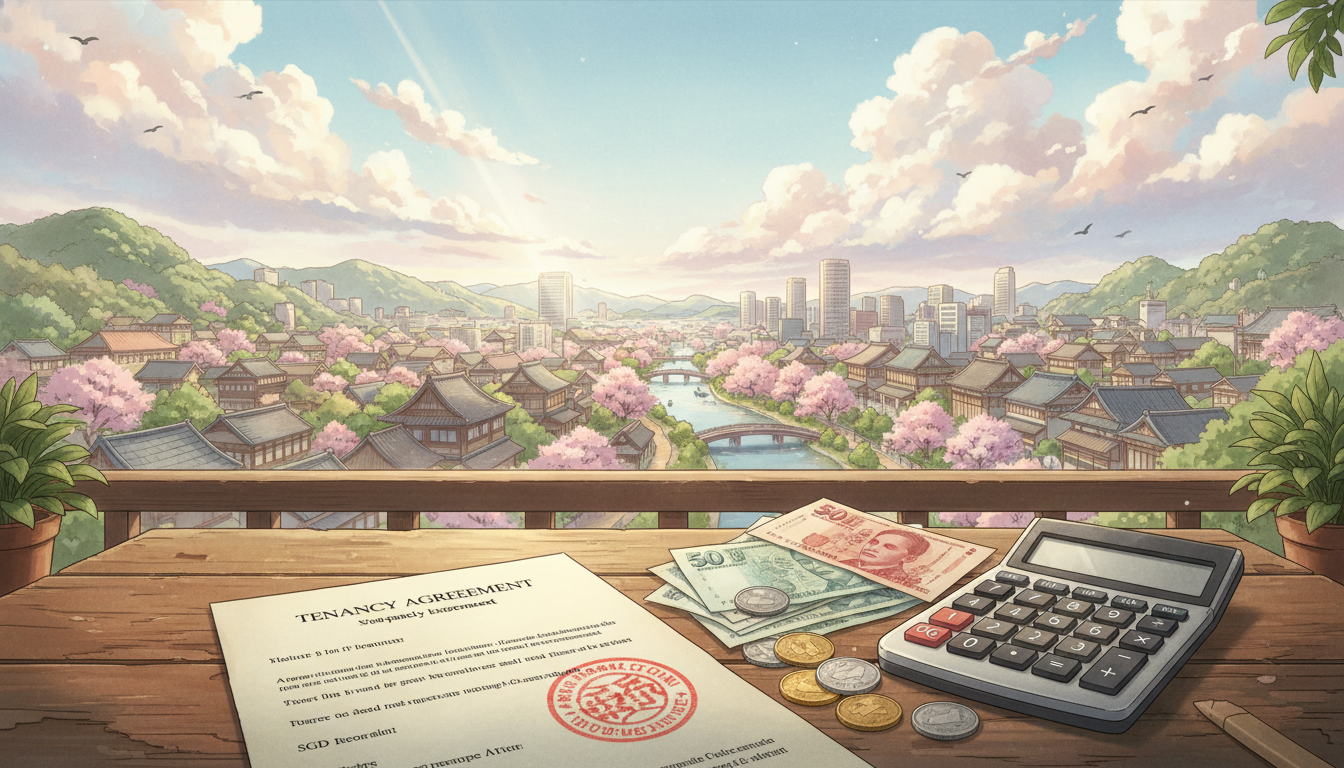
Stamp duty is a separate issue from rent negotiation, but it affects total cost. In Singapore, lease stamp duty generally applies to residential leases of one year or more, and the usual rate is 0.4% of the total rent for the lease term. That means a longer rental period can raise both your commitment and your upfront administrative cost, so it is worth comparing the financial impact of a 1 year lease versus a 2 year lease before signing.
Disputes are usually best resolved through documentation first, then mediation if needed. The Community Mediation Centre and the Small Claims Tribunal may be relevant depending on the dispute type and amount, but the best protection is a precise contract and a documented handover process. For landlords, this is also where a trusted agent can help explain lease wording clearly, which is why Homejourney connects users with property agents who prioritise transparent communication: .
If you are also thinking about financing as an investor, Homejourney’s bank rates page can help you evaluate carrying costs alongside rental yield: Bank Rates . For market context and project-level demand, Homejourney users can also review rental supply and development trends through the projects directory: Projects Directory .
How Homejourney helps you review lease terms safely
Homejourney is built for users who want a safer, more transparent rental process. If you are searching for a home, start with verified rental options here: Property Search . If you need professional support in reviewing lease wording, connect with an agent who can explain the clauses before you commit: .
When you are comparing properties, use the rental search experience to shortlist units with clearer documentation, better disclosure, and more manageable rental period terms. A lease is easiest to live with when the fine print is understood before signatures go on the page.
FAQ
What tenancy clauses should Singapore tenants negotiate first?
Start with lease length, rent due date, security deposit, minor repairs, reinstatement, diplomatic clause, and deposit refund timeline because these have the biggest impact on cost and flexibility.
Is a 1 year lease better than a 2 year lease in Singapore?
A 1 year lease usually gives more flexibility and easier renegotiation, while a 2 year lease can offer stability if you expect to stay longer and want to avoid moving costs.
Can a landlord change the clause after I sign?
No. Once signed, changes usually require agreement from both parties, which is why every clause should be checked before signing and confirmed in writing.
What is the most common dispute in a Singapore tenancy agreement?
Security deposit deductions, repair responsibility, and reinstatement standards are among the most common dispute areas because they often rely on vague wording or missing handover evidence.
Do I need a lawyer to review my tenancy agreement?
Most standard residential leases are reviewed without a lawyer, but legal advice is sensible if the lease is high-value, unusually long, corporate, or contains custom clauses that shift major liability.
For a safer rental journey, start your search with Homejourney and review the lease terms carefully before you sign any tenancy agreement.