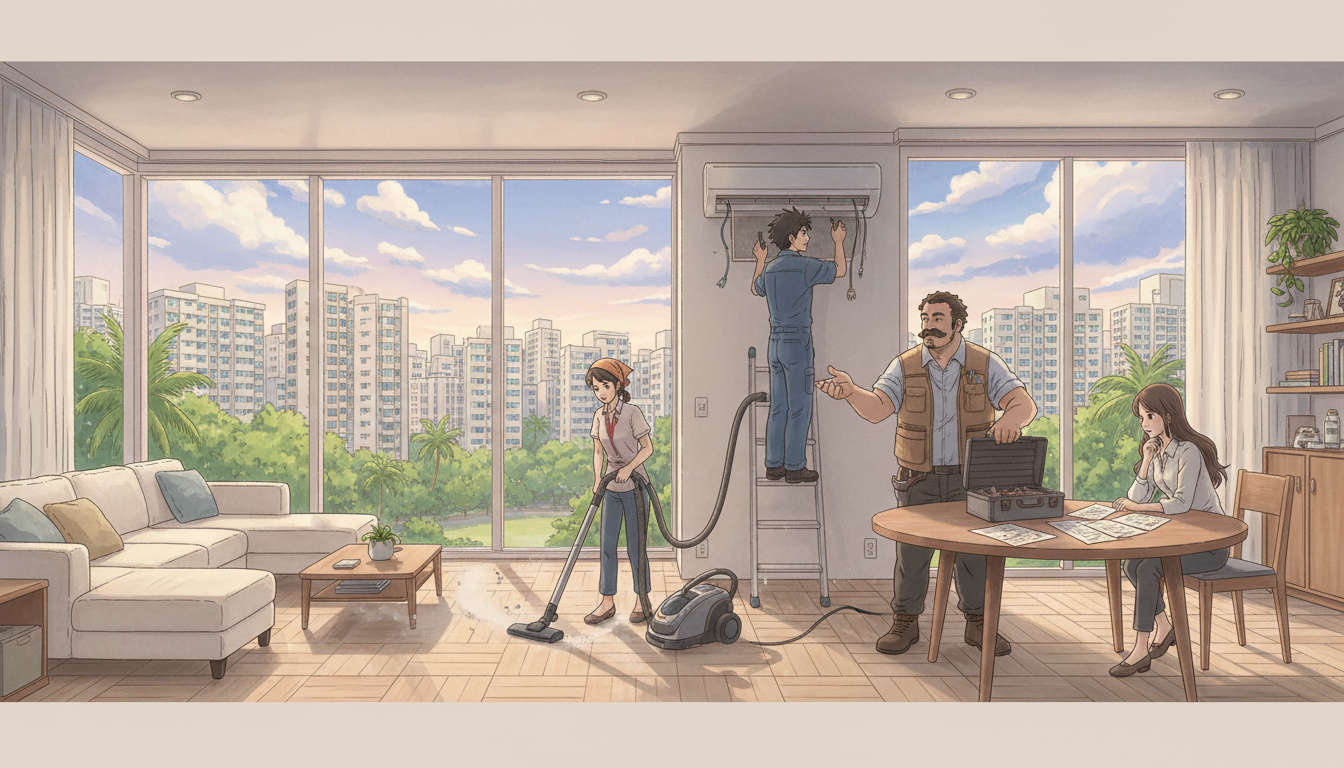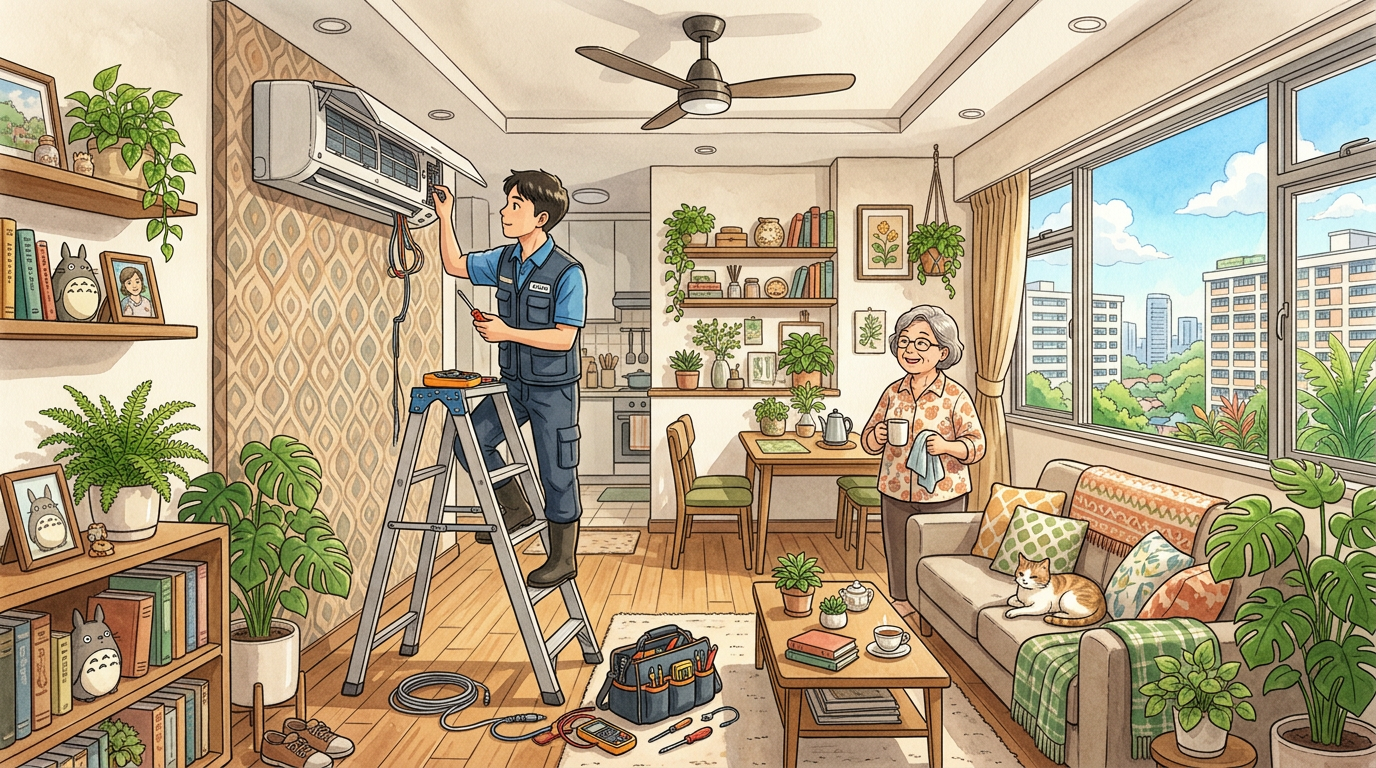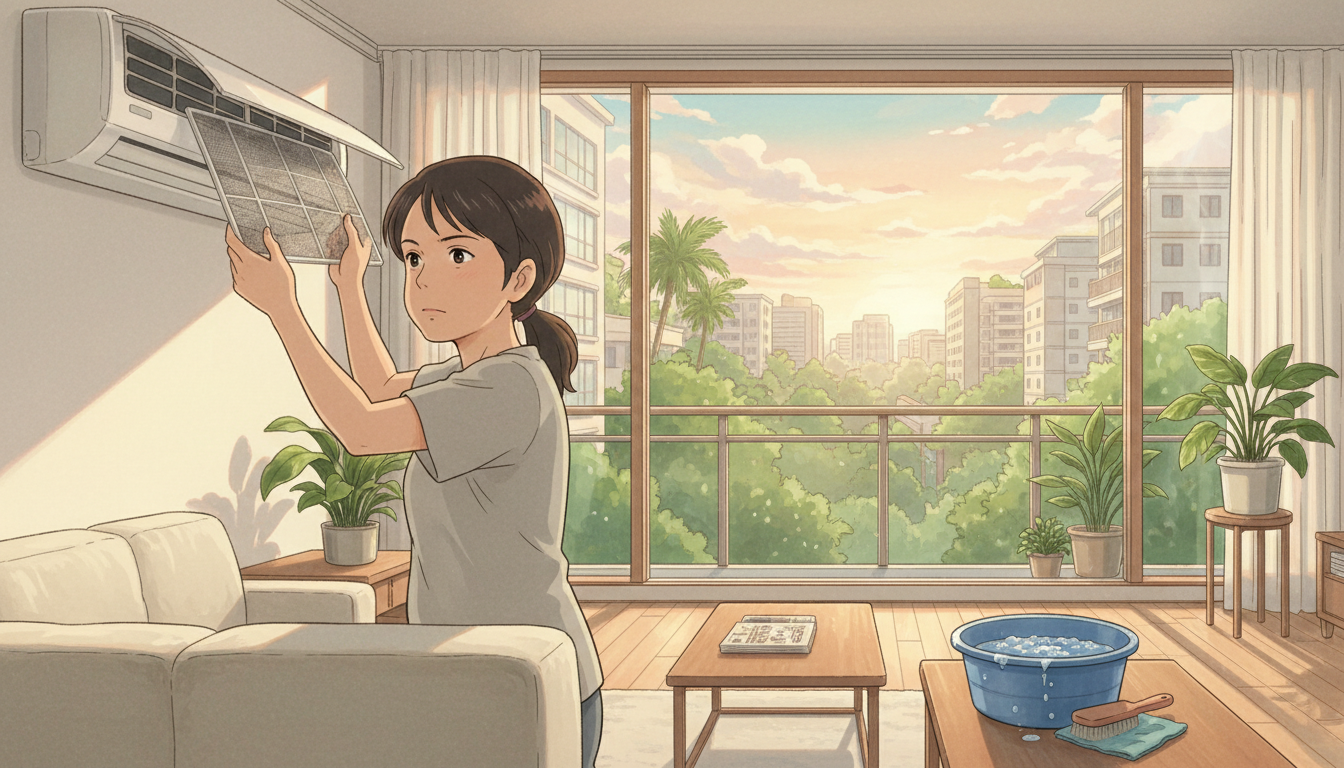
Common How to Clean Aircon Filter at Home Problems and Solutions usually come down to a few key mistakes: not switching off power, washing the filter too aggressively, reinstalling it while still damp, or trying DIY aircon cleaning when the unit already needs professional servicing. In Singapore’s hot and humid climate, understanding how to safely clean aircon filters at home is essential home AC maintenance for HDB, condo, and landed property owners.
For Singapore property buyers and tenants using Homejourney, getting filter cleaning right is not just about comfort. It directly affects indoor air quality, energy bills, and the lifespan of your aircon system—and it determines when you can DIY, and when you should book a verified technician via Aircon Services .
Quick Answer: How to Safely Clean an Aircon Filter at Home
To safely clean an aircon filter at home, turn off the aircon at the wall isolator, open the front panel, gently remove the mesh filters, vacuum loose dust, then wash in lukewarm water with mild detergent and let them dry fully in a shaded area before reinstalling. This basic DIY aircon cleaning step solves many minor cooling and odour issues, but it must be done correctly to avoid damage or mould growth.
How Filter Cleaning Fits into Your Overall Aircon Servicing Plan
Aircon filter cleaning is one part of broader home AC maintenance, which typically includes general servicing, chemical overhaul, and gas top-up. In Singapore, most households rely on split-unit systems in HDB flats, condos and landed homes, and these units work hard almost year-round due to consistently high temperatures and humidity.
For context, common service types in 2026 include:
- General servicing: Basic maintenance such as filter cleaning, fan coil brushing and drainage checks, typically around $22 per unit for residential systems.
- Chemical overhaul: Full disassembly and deep cleaning with chemical solutions, usually for severe mould or very dirty indoor units, around $110 per unit.
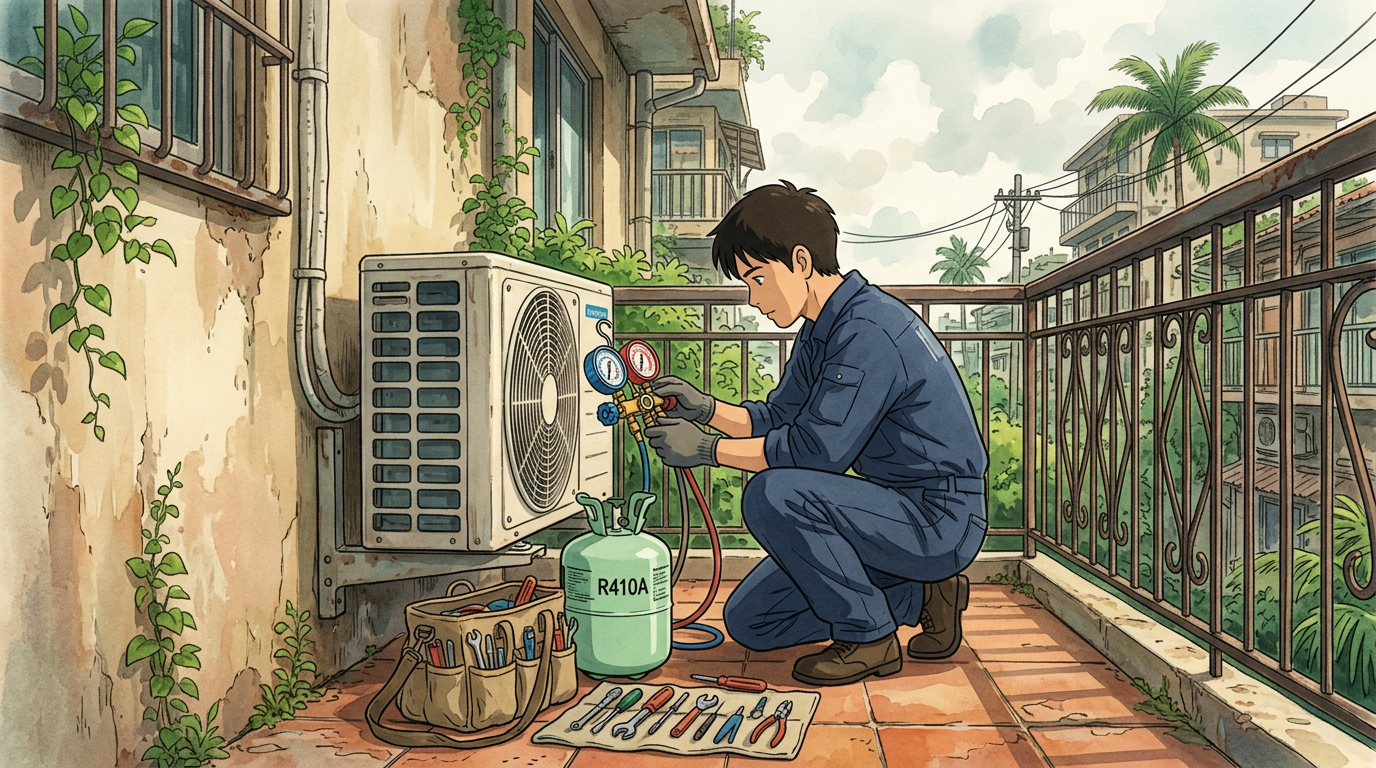
- Gas top-up: Refrigerant refill if the unit is not cooling properly due to low gas, commonly a flat rate of about $80 per visit.
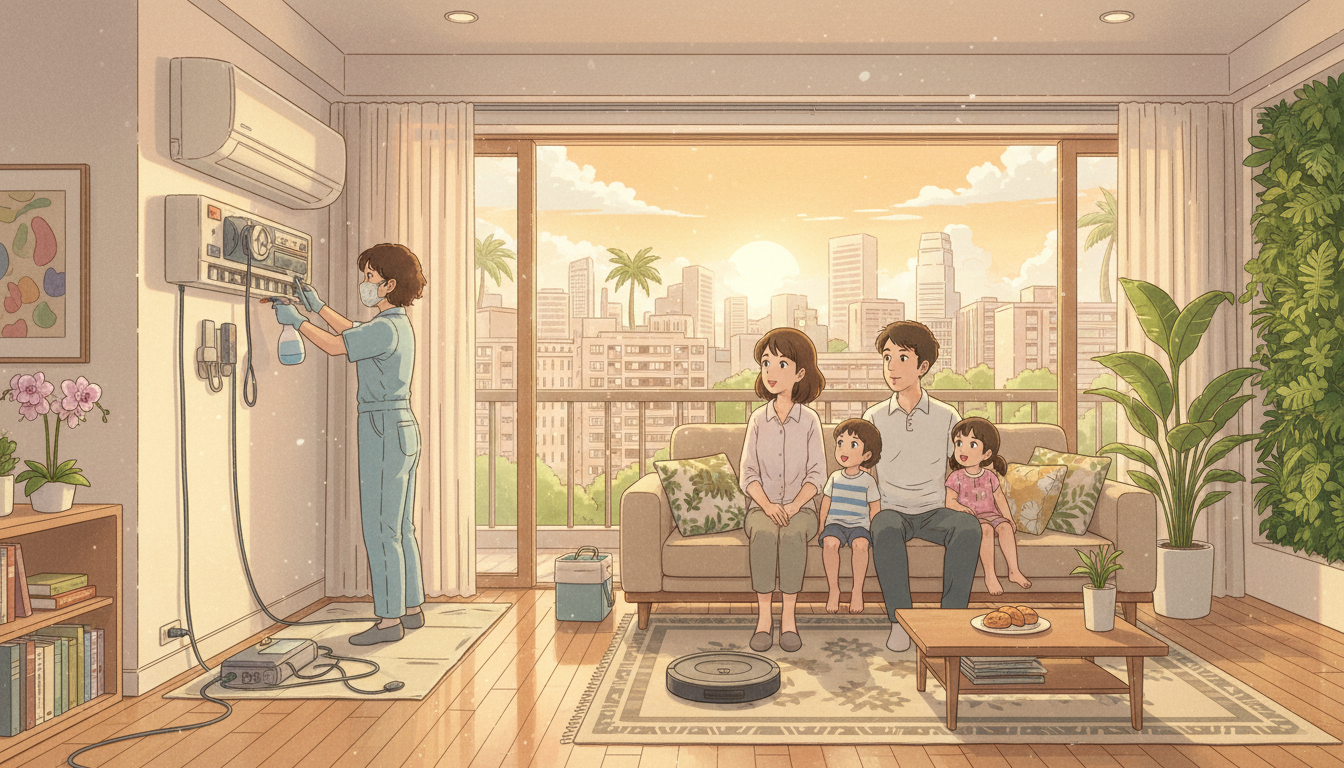
Homejourney’s main pillar guide on aircon servicing explains these service types in detail and helps you decide when to move beyond DIY cleaning to professional work.For routine upkeep, however, knowing how to do a safe aircon filter wash yourself is a practical way to stretch your servicing budget and keep your home comfortable between scheduled visits.
Step-by-Step: Correct Way to Clean an Aircon Filter at Home
Most common problems arise because the basic cleaning steps are not followed properly. Here is a concise, Singapore-focused walkthrough that applies to typical wall-mounted split units in HDB and condo flats.
1. Switch Off Power Safely
Always switch off the aircon using the remote and then turn off the wall isolator or main power switch before touching the indoor unit. In many HDB flats, this isolator is mounted just beside or below the unit, while in condos it may be near the balcony door or the distribution board.
This is critical for user safety and to prevent accidental damage if controls are bumped while the cover is open. Homejourney strongly encourages users to prioritise safety at every step, especially when working at height near windows or balconies.
2. Open the Front Panel Correctly
Place your hands on both sides of the plastic cover and gently lift the panel upwards until it clicks and stays in place. Most units have small indentations where your fingers should go—forcing the panel from the wrong point is a common cause of cracked covers.
If resistance is strong, stop and check your aircon’s manual rather than pulling harder. In some newer condo developments, MCST rules may also require you not to tamper with certain communal systems, so always confirm you are working on your own unit.
3. Remove the Filters Carefully
Behind the front panel, you will see one or two curved mesh filters. Gently push the tab or release clip and slide the filters down and out, supporting the plastic frame rather than pressing on the mesh itself.
Common mistakes here include shaking the filter too vigorously—dust can spill into the room or onto the evaporator coils, making the system dirtier and harder to clean later. Hold the filter in a stable position before you move away from the unit.
4. Remove Loose Dust Before Washing
Use a vacuum cleaner with a soft brush attachment to remove loose dust and hair from both sides of the filter. Vacuuming first prevents thick layers of dust from turning into mud when they touch water, which can clog the mesh.
In many Singapore households—especially near major roads such as the PIE or in areas like Woodlands with frequent industrial dust—filters pick up fine particles quickly. Light vacuuming every few weeks helps reduce how dirty they become between full washes.
5. Wash with Lukewarm Water and Mild Detergent
Fill a basin or use a bathroom sink with lukewarm water and add a few drops of mild dishwashing liquid. Gently rinse the filter from the cleaner side outwards so water pushes trapped dust out of the mesh rather than deeper into it.
For persistent odours or oily grime—common in open-concept kitchens—use a soft brush and mild soap, and avoid strong detergents, bleach or high-pressure jets that can damage the filter material. A short soak of 10–15 minutes is usually enough for normal household dirt.
6. Dry Completely in a Shaded, Ventilated Area
Shake off excess water gently, then place the filters in a cool, shaded, well-ventilated area to air dry fully. Do not use a hairdryer on high heat or leave them under strong midday sun, as excessive heat can warp the plastic frame.
Crucially, never reinstall a damp filter. Moisture trapped in the mesh can lead to mould growth inside the indoor unit, which is a common source of musty smells in tightly shut HDB bedrooms. Waiting an extra 30–60 minutes for complete drying is safer, especially in humid weather.
7. Reinstall and Test the Unit
Slide the dry filters back into their tracks, ensuring they sit evenly and lock into place. Close the front panel securely, restore power at the wall isolator, and test the aircon to confirm airflow and cooling are normal.
If cooling improves and noise or odour reduces, your DIY aircon cleaning has likely solved the problem. If issues persist, you may need general servicing or more advanced work such as drainage clearing or gas top-up, which can be booked quickly via Aircon Services .
Common Problems When Cleaning Aircon Filters at Home (and How to Fix Them)
Even when users follow basic steps, several typical issues arise during home aircon filter wash. Here are the most frequent problems in Singapore homes and practical solutions.
Problem 1: Filter Seems "Always Dirty" Even After Regular Cleaning
Many users complain that their aircon filter looks dusty again just weeks after cleaning. In Singapore’s environment, filters can accumulate dust and particles quickly, especially near construction sites or busy roads. This is normal, but it may feel excessive if cleaning is infrequent.
Solutions:
- Increase inspection frequency to every 2–4 weeks for heavy-use units, and wash at least every 2–3 months for typical residential use.
- Vacuum more often between full washes to manage surface dust, particularly in living rooms facing open corridors in older HDB blocks.
- If filters remain stained or torn even after washing, consider replacement during your next general servicing appointment.
If the unit still performs poorly after cleaning and replacing filters, underlying issues like dirty coils or blocked drainage may require a chemical overhaul service.
Problem 2: Aircon Not Cooling After DIY Filter Cleaning
If your aircon is not cooling even after a proper filter wash, the cause is usually not the filter itself. Singapore service providers highlight several other common reasons, including low refrigerant gas, dirty evaporator coils, or faulty fan motors.
Solutions:
- Check that the filter is correctly reinstalled and that no plastic frame is blocking airflow.
- Inspect for visible ice on the coil or leaking water, both signs that deeper servicing is needed.
- Book general servicing or gas top-up with a BCA-registered contractor via Aircon Services if cooling remains weak.
Gas top-up in Singapore currently averages about $80 for standard residential units, but many technicians will advise whether the problem is gas-related or due to dirty coils before proceeding.
Problem 3: Musty or Mouldy Smell After Cleaning
A musty smell often comes from mould inside the indoor unit, not just the filter. Reinstalling filters while damp or neglecting the drainage line can accelerate mould growth, particularly in tightly sealed bedrooms where windows are rarely opened.
Solutions:
- Ensure filters are completely dry before reinstalling.
- Ask your technician during general servicing to inspect and flush the drainage line and coil for mould buildup.
- For severe odours, schedule a chemical overhaul, which involves disassembling and deeply cleaning the unit.
While mild DIY cleaning can temporarily reduce odours, heavy mould is a health risk. Homejourney recommends engaging verified providers for chemical overhaul instead of attempting chemical cleaning yourself.
Problem 4: Cracked Panels or Damaged Filters During DIY
Cracked plastic covers and torn filter mesh are common when users force the panel open or scrub too aggressively. Once damaged, filters can no longer trap dust effectively, and broken panels may rattle or allow insects and debris into the unit.
Solutions:
- Always open panels gently from the designed indentations; if unsure, check your aircon’s manual.
- Use soft brushes and mild detergents, never hard bristles or pressure washers.
- Replace damaged filters during your next servicing session; technicians usually carry common filter sizes.
In condos, repeated damage may lead MCST to require approved contractors for servicing to prevent harm to building fixtures, so treating components carefully is in your long-term interest as an owner or landlord.
How Often Should You Clean Aircon Filters in Singapore?
Official guidelines vary, but many local service companies advise cleaning filters every 2–4 weeks for heavy usage, and at least every 2–3 months for typical household use. In practice, frequency depends on how many hours per day you run the aircon and how dusty your environment is.
Consider this rule of thumb:
- High-use bedrooms (8–10 hours nightly): Inspect every month; wash every 2 months.
- Living rooms with occasional use: Inspect every 2–3 months; wash every 3 months.
- Homes near construction or busy roads: Increase cleaning frequency due to higher dust load.
Regular DIY filter cleaning extends the time between full general servicing, which most Singapore households schedule every 3–6 months. When planning your servicing budget, you can refer to Homejourney’s cost guide on home services in areas like Woodlands for typical 2026 prices.Home Services in Woodlands Cost Guide: Singapore Prices 2026
Safety and Regulatory Considerations for DIY Aircon Cleaning
While filter cleaning is a relatively low-risk DIY task, user safety and regulatory compliance are still important, especially for high-floor HDB and condo units.
HDB Flats
In HDB flats, indoor units are often mounted high near windows. When cleaning filters, avoid leaning out of windows or standing on unsafe stools. Follow HDB’s general safety advisories for home maintenance, and consider professional help for any work that requires removing heavy panels or accessing outdoor condensers.CNA Property News
Condo MCST Rules
Condo management corporations (MCST) may have rules on tampering with façade elements and outdoor compressors. DIY filter cleaning inside the unit is normally allowed, but moving outdoor equipment or attempting gas top-up yourself can violate by-laws. Always check with your MCST if unsure and use BCA-registered contractors for technical work.Business Times Property
BCA and Safety for Technical Servicing
For work beyond filter cleaning—such as chemical overhaul, gas top-up, or electrical repairs—Homejourney recommends using BCA-registered, experienced aircon technicians. This ensures that installations and servicing meet building standards and safety expectations for residential properties.
When to Stop DIY and Call a Professional Through Homejourney
DIY aircon filter cleaning is useful, but it has limits. Continuing to clean filters when your unit needs deeper servicing can waste time and worsen problems. Consider booking a professional via Aircon Services if you encounter any of these situations:
- Aircon remains warm or weak even after thorough filter cleaning.
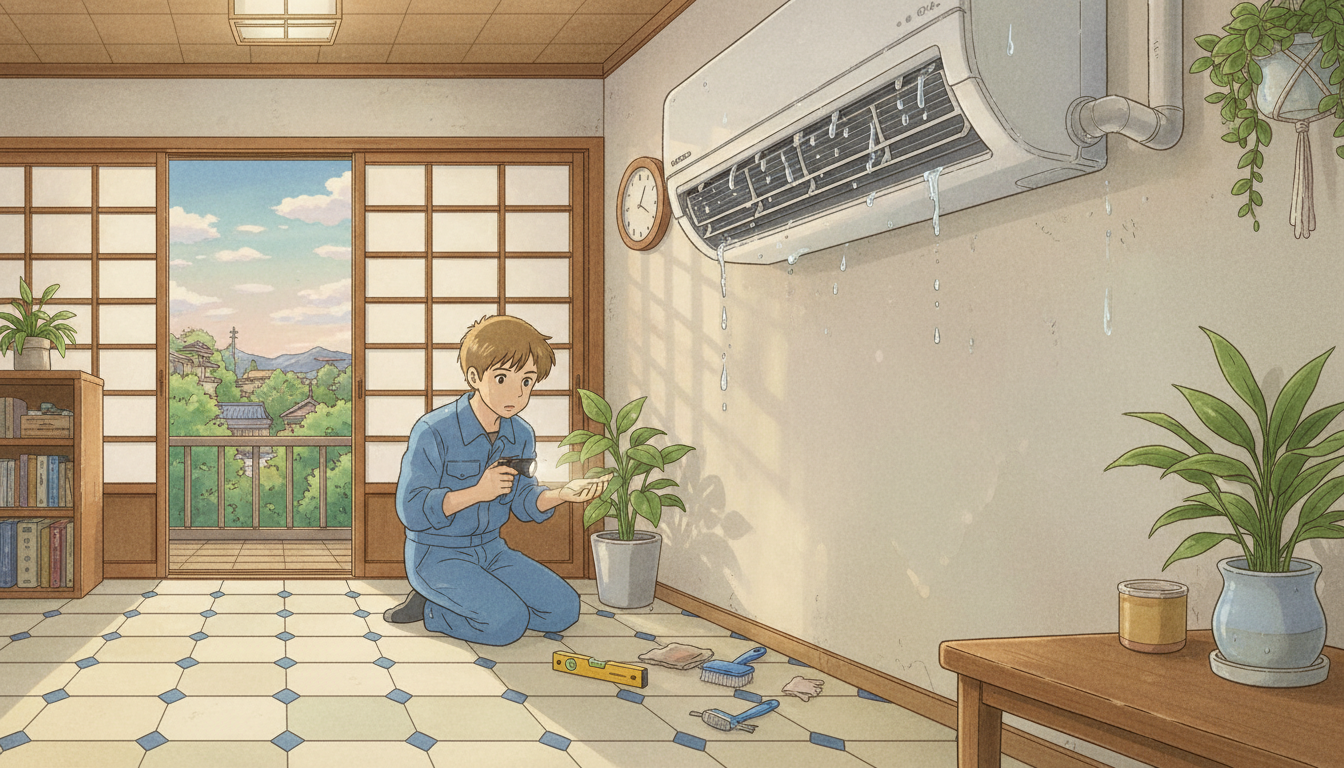
- Water leaking from indoor unit, especially onto HDB parquet or condo laminate flooring.
- Persistent mould smell despite correctly dried filters.
- Visible ice on coils or frequent automatic shutdowns.
- Cracked panels, damaged filters, or suspected electrical issues.
Through Homejourney, you can:
- Book verified providers vetted for safety and quality.
- See transparent pricing for general servicing, chemical overhaul, and gas top-up before committing.
- Read real reviews from Singapore homeowners on past jobs.
- Arrange same-day servicing for urgent cooling or leakage problems.
For new homeowners planning renovation and installation costs, Homejourney also provides updated mortgage and bank rate information via Mortgage Rates and project analysis through Projects Directory to help you estimate long-term running costs of multiple aircon units in larger properties.
Insider Tips from Singapore Homes: Making Filter Cleaning Easier
After years of living in different parts of Singapore—from older HDB blocks in Ang Mo Kio to newer condos in Punggol—several practical tricks consistently help make aircon filter cleaning less of a chore.