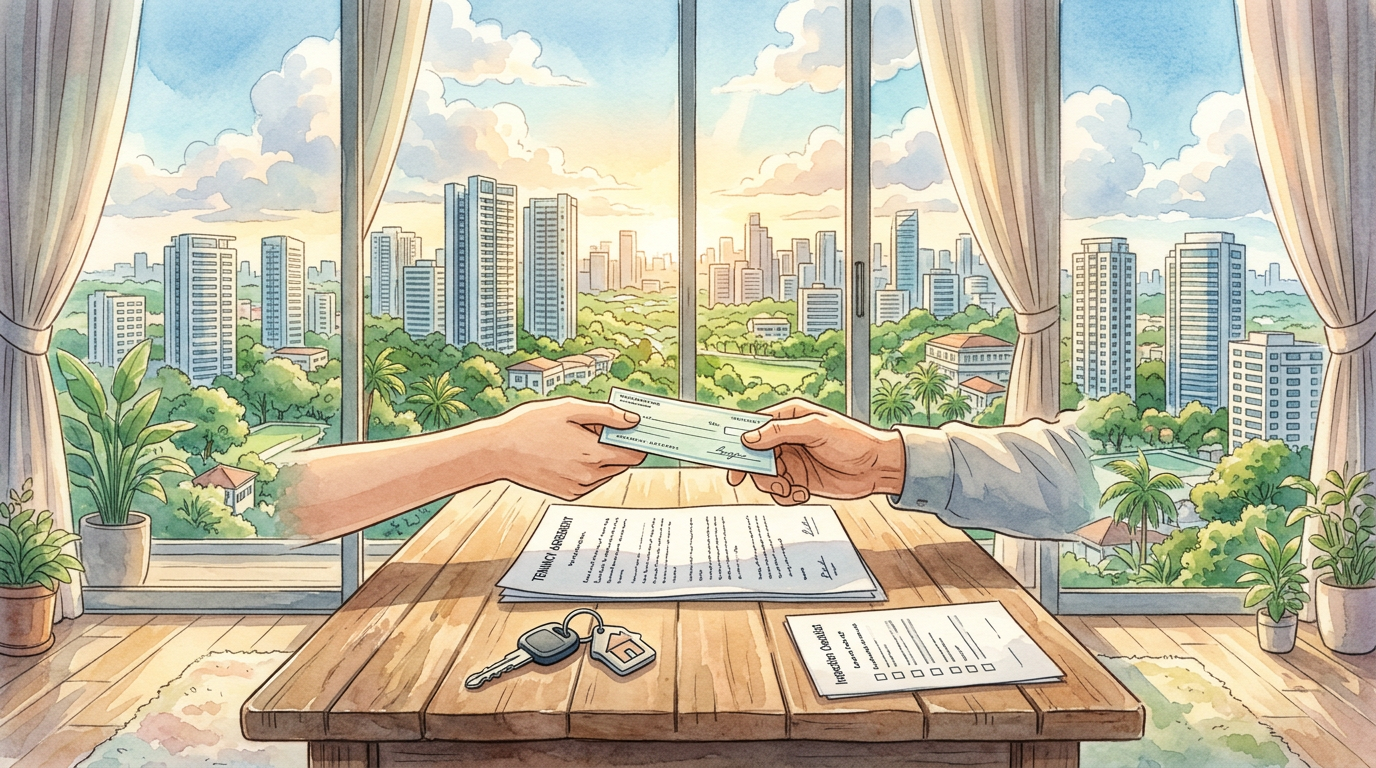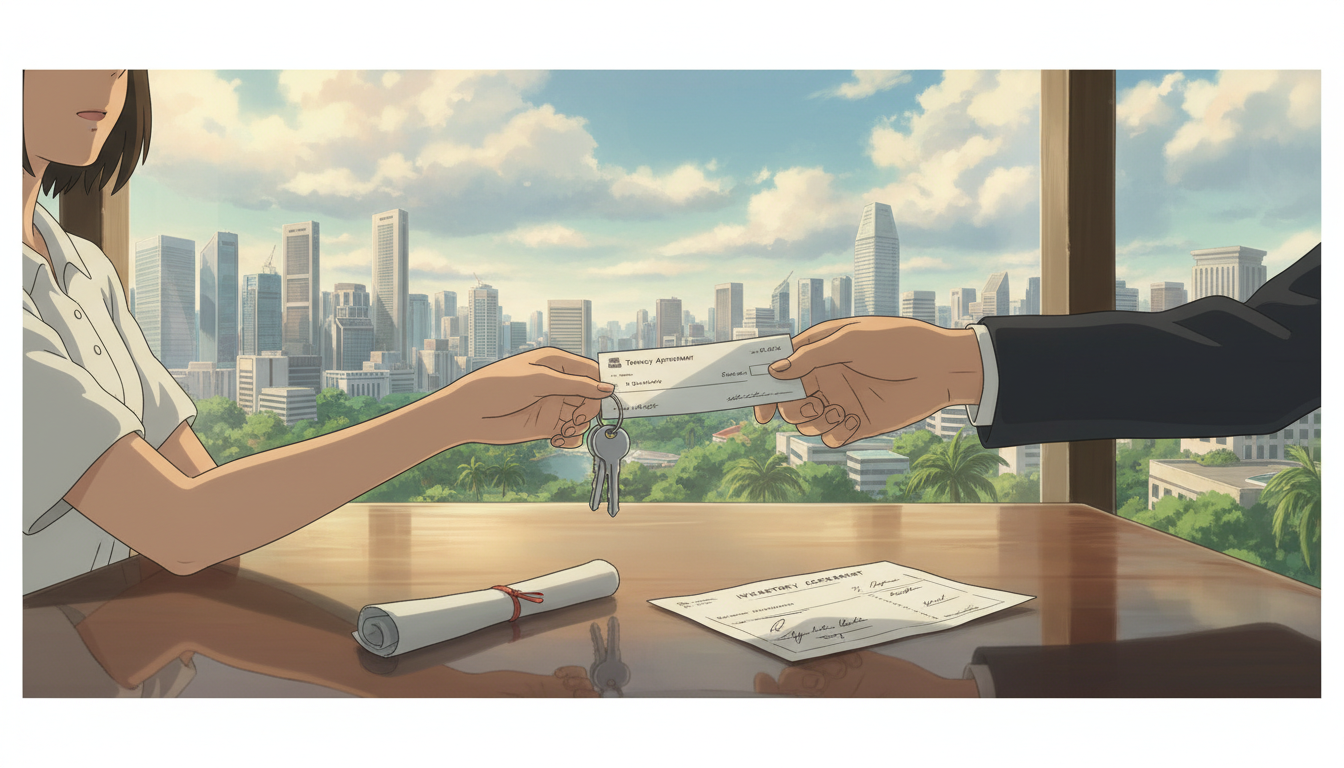
End of tenancy rights in Singapore are mostly governed by the tenancy agreement and common law, so the best protection for tenants is careful documentation, a clear move out checklist, and a proper final inspection. For tenants and investors using Homejourney, this cluster supports the broader rental rights pillar by showing how to protect the return rental, handle the tenancy ending process, and avoid disputes at handover.
What tenants are entitled to at the end of tenancy
In Singapore, a lease normally continues until the agreed expiry date, and a landlord cannot simply end it early without a valid contractual or legal basis. If the tenancy agreement is valid, the tenant’s right to occupy the property remains in force until the term ends, even if the owner is selling the unit or changing plans.[1][3]
At the end of tenancy, the main tenant protections are practical rather than statutory: the right to quiet enjoyment until move-out, the right to a fair assessment of damage versus fair wear and tear, and the right to have the deposit handled according to the tenancy agreement. Under common lease principles, tenants are also expected to return the premises in tenantable condition, pay rent and outstanding utilities, and hand back keys, access cards, and remotes as agreed.[3]
Common rights tenants should check before moving out
- The lease should end on the agreed date unless both parties sign an extension or early termination arrangement.[3]
- The landlord should give reasonable notice for inspections and handover arrangements so the tenant can prepare properly.[1][3]
- Deposit deductions should match actual losses, not routine aging, repainting cycles, or normal wear and tear unless the contract says otherwise.[3]
- If the landlord sells the property, the tenancy generally remains binding on the new owner where the lease is valid and in force.[1][3]
End of tenancy obligations: what tenants must do
A strong end of tenancy process starts with the lease itself. Singapore tenancy agreements usually spell out restoration obligations, cleaning standards, appliance servicing, and the level of condition expected at handover. If the agreement requires professional cleaning, wall repairs, or replacement of lost items, those duties should be completed before the final inspection.[3]
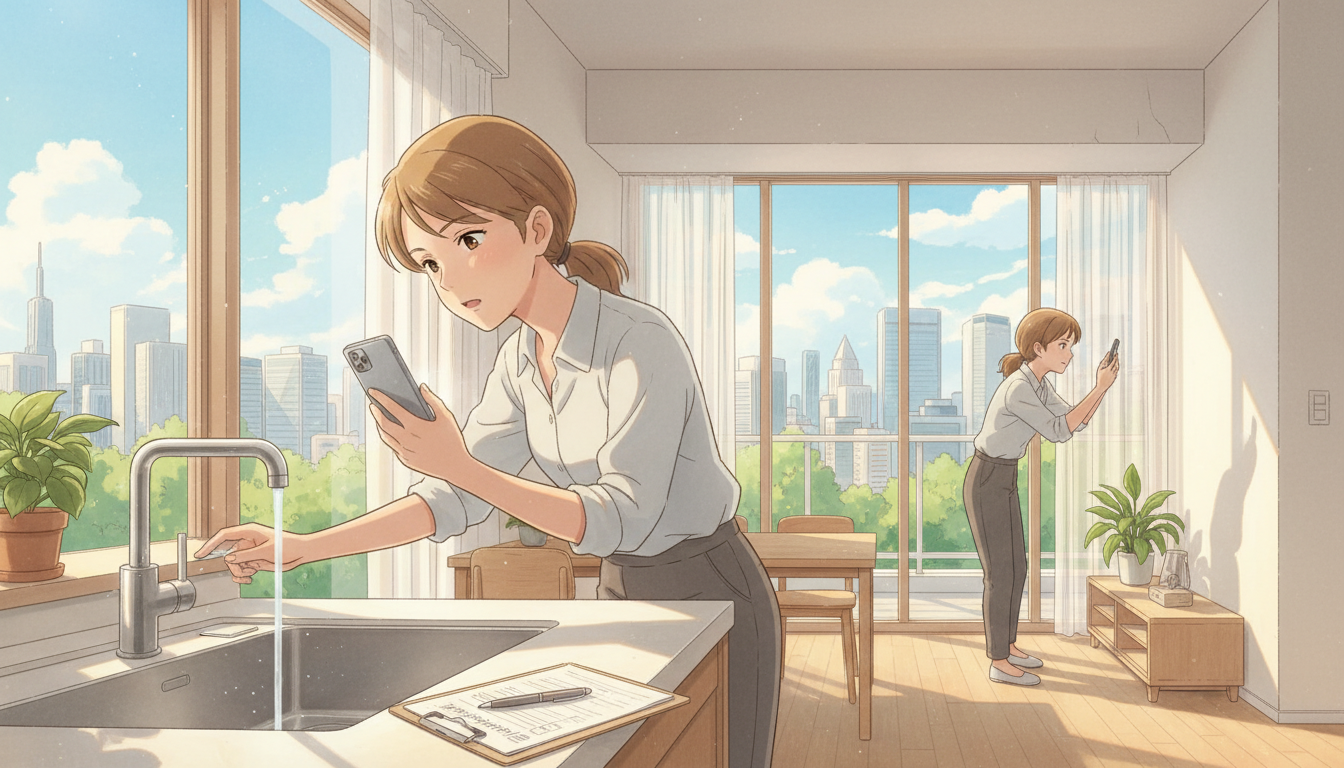
For most renters, the safest approach is to work backwards from the move-out date. Begin with a clear timeline, because a rushed handover often leads to disputes over stains, missing items, or delayed deposit release. Homejourney recommends using a written checklist and keeping dated photos of every room, especially high-risk areas such as the kitchen, bathroom, air-conditioner filters, and balcony doors.
Practical move out checklist
- Take time-stamped photos and short videos of the unit before cleaning starts.
- Remove all personal items, fixtures you added, and garbage from the premises.
- Clean appliances, bathrooms, vents, and concealed areas such as under beds and cabinets.
- Patch small nail holes or touch up damage if the lease requires reinstatement.
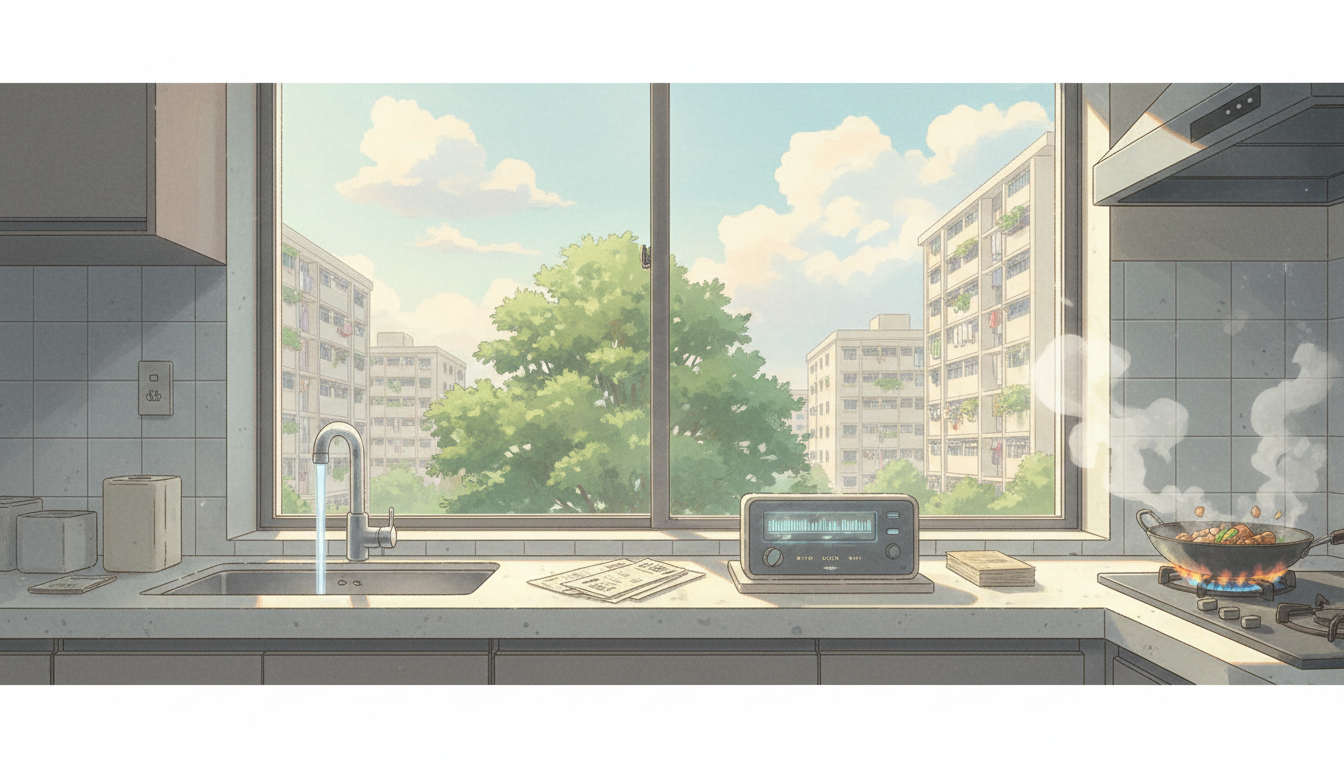
- Arrange final utility readings and save the confirmation emails or screenshots.
- Return all keys, fobs, access cards, and parking devices during handover.
- Attend the final inspection with the landlord or agent if possible.
How the final inspection usually works
The final inspection is the key moment for the return rental process because it is when both sides compare the unit’s condition against the tenancy agreement and move-in record. In practice, the strongest evidence is the original inventory list, the signed handover form, and clear before-and-after photos. If an item was already damaged when you moved in, a documented move-in report is often the best defence against unfair deductions.[3]
During the inspection, tenants should ask for a written list of any claimed issues and the amount to be deducted from the deposit. If the landlord wants repairs, request receipts or written quotes before agreeing to pay. This matters because Singapore tenancy disputes are often about proof, not just principle.
Insider tips for a smoother handover
- Schedule the inspection in daylight so condition issues are easier to verify.
- Bring your original tenancy agreement and inventory checklist.
- Walk through the unit room by room and photograph each area after cleaning.
- Do not return the keys until the handover record is clear and signed, unless the agreement says otherwise.
- If the landlord proposes deductions on the spot, ask for a breakdown in writing before you accept.
When a deposit can be withheld
The security deposit is usually the biggest source of conflict at tenancy ending. A landlord may usually deduct sums for unpaid rent, missing inventory items, damage beyond fair wear and tear, or unpaid cleaning and reinstatement costs if these are supported by the tenancy agreement and evidence.[3] If the claim is only for ordinary aging, such as faded paint or normal carpet wear, tenants should ask for the contractual basis before agreeing.
One useful benchmark is to separate damage from wear and tear. Damage is accidental or negligent harm, such as a broken panel or stained mattress. Wear and tear is the expected decline from ordinary use, such as minor scuff marks or light discoloration after a full lease term. Because Singapore has no rent control and no standalone tenant-protection statute for deposits, the lease terms and evidence matter most.[3]
If the landlord delays or disputes the return rental
If the deposit is not returned within the expected timeline, first send a written reminder with your handover date, bank details, and evidence of the agreed refund amount. Keep the tone factual and attach the inspection record, photos, and any messages showing the landlord accepted the handover. If the dispute remains unresolved, tenants can consider mediation through the Community Mediation Centre and, for qualifying money claims, the Small Claims Tribunals if the amount falls within the tribunal’s limits.[1][2]
For Singapore renters, speed and documentation are critical. The more complete your paper trail is, the easier it is to show what was promised, what was returned, and what was actually disputed. If the issue involves a serious legal question, such as forfeiture, eviction pressure, or a complex sale-and-lease overlap, seek legal advice early rather than relying only on informal messages.
What to keep in your dispute file
- The signed tenancy agreement and any addenda.
- Move-in and move-out photos or videos with dates.
- All WhatsApp, email, or SMS messages about repairs and handover.
- Receipts for cleaning, repair, or replacement work.
- The final inspection notes and deposit settlement calculations.
How Homejourney helps renters avoid end of tenancy problems
Homejourney’s safety-first approach is designed to reduce rental friction before it starts. Tenants can use Homejourney’s rental search to find listings with clearer terms, and property seekers can connect with experienced professionals through Homejourney agents when they need help negotiating lease clauses or move-out terms. For landlords and investors, financing context can also matter when planning vacancy risk, so Homejourney’s bank rates page is useful for broader yield and cash-flow planning.
If you are handling a unit turnover, property maintenance planning also matters. Replacing worn components before the next tenant moves in can reduce disputes later, especially for air-conditioning, fittings, and general condition checks. For related reading, see End of Tenancy Cost & Rights Guide for Singapore Tenants, End of Tenancy in Singapore: Tenant Rights, Obligations & Move-Out Checklist, and Security Deposit Transfer: Rental Sales in Singapore.
FAQ: end of tenancy obligations and rights for tenants
Can a landlord keep my deposit for normal wear and tear?
Generally, deposit deductions should relate to unpaid sums or damage beyond fair wear and tear, not ordinary use over time. The lease wording and supporting evidence are key.[3]
Do I have to allow viewings before I move out?
Reasonable viewings are commonly expected if the tenancy agreement allows them, but notice and timing should be fair so your quiet enjoyment is not unreasonably disturbed.[1][3]
What should I do if the landlord claims extra cleaning fees?
Ask for the lease clause, before-and-after photos, and invoices or quotes. If the claim is not backed by evidence, do not agree to it without clarification.
Can I leave before the tenancy ends?
Only if the tenancy agreement allows early termination, or if both sides agree in writing. Otherwise, leaving early can expose the tenant to contractual liability.[3]
Where can I get help if the deposit dispute cannot be solved informally?
Tenants can consider mediation first, then the Small Claims Tribunals for eligible claims, or legal advice where the dispute is more complex.[1][2]
For a broader understanding of Singapore rental rules, move from this cluster to the main Homejourney pillar on tenant and landlord rights, then use Homejourney’s verified rental tools to plan your next tenancy with fewer surprises and a cleaner handover.