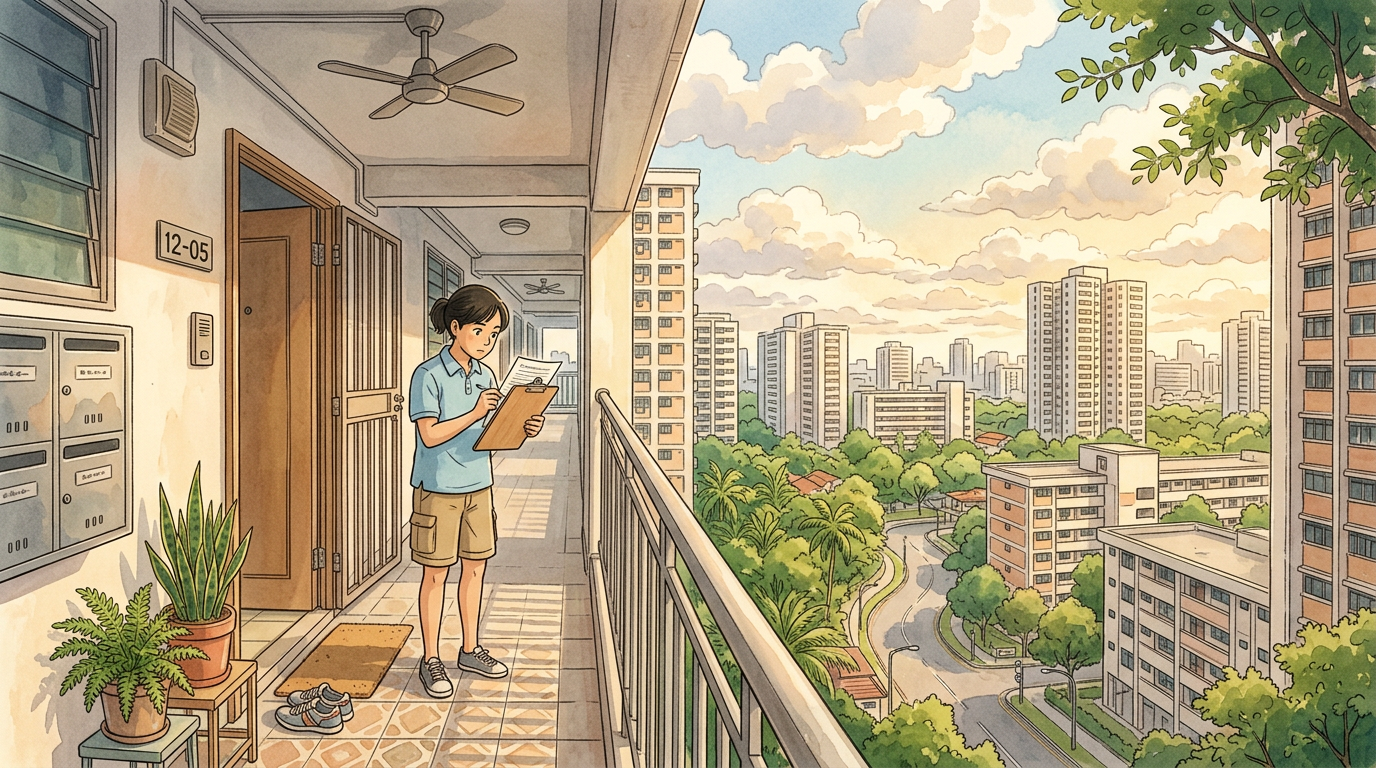
Illegal eviction in Singapore happens when a landlord tries to remove a tenant without following the proper eviction process. In Singapore, a landlord cannot simply change locks, cut utilities, or force a tenant out; the correct route is to give a written eviction notice, obtain a court order, and then enforce possession through the Sheriff or bailiffs if needed.[1][2][5]
This cluster article supports Homejourney’s broader rental-rights pillar by helping tenants and landlords recognise the warning signs early, reduce disputes, and take safe, lawful action. If you are renting a flat, room, or condo unit in Singapore, understanding your tenant eviction rights can prevent panic and costly mistakes.[1][2]
Illegal Eviction in Singapore: Warning Signs and What to Do
The fastest way to tell whether an eviction is unlawful is to ask one question: Has a court or Sheriff actually authorised the removal? If the answer is no, and the landlord is using pressure, threats, lock changes, or utility disruption, that is a major red flag.[2][5]
Singapore tenancy law is built mainly on the lease agreement and common law principles, not a broad standalone tenant-protection statute. That means the contract, written notices, and proper court process matter a great deal.[1][2] For tenants and investors using Homejourney’s rental tools and verified listings, this is exactly why documentation and transparency should start before move-in, not after a dispute begins.
Common warning signs of an illegal eviction
- Locks changed without notice, leaving you unable to enter the unit.[3][7]
- Belongings removed or placed outside the unit, sometimes in common areas or at the corridor.[3][7]
- Utilities cut off, including electricity, water, or internet, to pressure you out.[3][7]
- Threats, harassment, or intimidation to make you leave before any court process.[7]
- Landlord says “you have to go now” but cannot show a valid written termination notice or court order.[2][5]
These signs matter because legal eviction in Singapore is not a self-help exercise. A landlord who believes a tenant has breached the tenancy agreement still needs to follow the formal route, which generally begins with a written notice and may proceed to court action and a writ of possession if the tenant does not comply.[1][2][5]
What makes a notice valid in Singapore?
A proper eviction notice should state the breach clearly, say what remedy is required if the breach can be fixed, and give the required notice period under the tenancy agreement or applicable legal framework.[1][2] For example, if rent is unpaid, the notice should identify the amount and the period outstanding rather than making vague accusations.[1][2]
Many disputes start because a landlord sends only a WhatsApp message saying “move out by Friday.” That is not the same as a properly served written notice, and it does not replace the court process if the tenant refuses to leave.[1][2] If you are a landlord, keep every notice, payment record, and inspection note; if you are a tenant, save every message and email immediately.
What to do immediately if you suspect illegal eviction
If you think you are being unlawfully evicted, act fast and stay calm. The goal is to preserve evidence, avoid escalation, and move the matter onto a documented path that can be reviewed by the authorities or a lawyer.[2][5]
- Document everything: take photos and videos of the unit, locks, belongings, damaged items, and any notices or messages.[1][3]
- Ask for the legal basis: request the written eviction notice and any court order, in writing.[2][5]
- Do not sign under pressure: avoid handwritten statements or “voluntary surrender” documents unless you understand them fully.
- Make a police report if there is lockout, trespass, theft, threats, or forced removal of belongings.[3][7]
- Seek legal or mediation help: for disputes that cannot be settled quickly, consider the Community Mediation Centre or a lawyer familiar with tenancy disputes.[1][2]
If the issue is about unpaid rent or damage, keep proof of payments, bank transfers, repair records, and all communication. If the issue is over the end of a tenancy, review your lease terms carefully and compare them against the landlord’s actions before responding.[1][2] Homejourney’s related guide on How to Respond to an Eviction Notice in Singapore | Homejourney Safety Guide is useful if you have already received a formal notice.
When can a landlord evict a tenant legally?
In Singapore, landlords usually rely on breach of tenancy terms such as non-payment of rent, property damage, or other contractual breaches. Even then, they still must follow the legal steps: written notice, court action if needed, and enforcement by authorised officers rather than private removal.[1][2][4]
According to Singapore Courts guidance, once a Writ of Possession is executed, the tenant must vacate and re-entry requires permission from the execution creditor or their lawyers.[5] Before that point, a landlord who locks out a tenant or removes belongings on their own may be acting unlawfully.[2][5]
Eviction process in Singapore: the lawful sequence
The lawful eviction process is designed to reduce self-help disputes and give both sides a chance to present their position. For many tenancy disputes, the path is: written notice, possible dispute resolution, court judgment or enforcement order, and then possession through the Sheriff or bailiffs.[1][2][5]
For lower-value claims, the Small Claims Tribunals can handle certain tenancy-related disputes up to S$20,000, which is why record-keeping is important from day one.[1][4] For larger claims or more complex matters, legal advice is often necessary, especially where possession, damages, or urgent injunctions are involved.
Practical steps for tenants
- Check your lease for notice periods, breach clauses, and any diplomatic or early-termination terms.
- Match facts to the notice: does the alleged breach actually exist, and can it be remedied?[1][2]
- Pay undisputed sums promptly if the issue is arrears, while clearly stating what the payment covers.
- Keep proof of residence, such as tenancy agreement, rent receipts, and utility bills.
- Use formal communication instead of heated calls; follow up in writing after every discussion.
If you are searching for a safer rental and want to avoid disputed listings, use Homejourney’s rental search at Property Search and review landlord-facing guidance before signing. If you are relocating soon, Homejourney’s broader rental knowledge base can help you assess lease risk before committing.
Practical steps for landlords
- Issue a clear written notice that identifies the breach and deadline to remedy if applicable.[1][2]
- Keep a paper trail of rent reminders, inspection notes, and repair communications.
- Avoid lock changes or utility cutoffs; those actions can create legal exposure if done before court enforcement.[3][7]
- Use mediation early if the tenant may still cure the breach.
- Work through the correct forum, including SCT where appropriate and legal counsel where the matter is more complex.[1][4]
For landlords financing rental property, Homejourney’s bank-rate resource at Bank Rates can help you understand repayment pressure and rental yield sensitivity. If you need help screening tenants or managing dispute risk, connect with professional property agents at .
Singapore-specific context that renters often miss
Singapore does not have rent control, so rental terms are market-driven and strongly shaped by the lease itself. Written agreements are not always legally required, but they are strongly recommended because they reduce ambiguity over notice, deposit, repairs, and end-of-tenancy obligations.[1][2]
Stamp duty may apply to leases of one year or more, and landlords must also report rental income correctly for tax purposes. For HDB rentals, the subletting rules are especially important because non-compliant arrangements can trigger separate regulatory problems.[1][2] If your case involves an HDB room or whole-flat rental, read Homejourney’s related cluster on HDB Sublet Rules When Owner Sells: Tenant Rights Guide for additional context.
For property owners, this is where prevention matters most. Clear tenancy clauses, good tenant screening, and prompt responses to arrears can prevent the kind of escalation that leads to a dispute. Homejourney’s safety-first approach is designed to reduce these risks by emphasising verified information, transparent communication, and better tenant-landlord matching.
When to get professional help
Seek legal advice quickly if a landlord has changed locks, removed belongings, or threatened forced eviction without a court order. You should also get help if the lease terms are unclear, the dispute involves large sums, or the landlord claims an immediate right to remove you.[2][5]
If the issue is primarily communication breakdown rather than immediate lockout, mediation may resolve it faster and more cheaply than litigation. But if access to your home has already been blocked, treat the matter as urgent and preserve evidence before anything else.[3][5]
FAQ: Illegal eviction in Singapore
Can a landlord evict me by changing the locks?
No. Changing the locks without following the legal process is a major warning sign of illegal eviction in Singapore, especially if there is no court order or Sheriff involvement.[2][5]
Is a WhatsApp message enough as an eviction notice?
Usually no. A valid eviction notice should be written, clearly state the breach, and comply with the tenancy agreement and legal process.[1][2]
What should I do first if I come home and cannot enter?
Take photos, save messages, request the written legal basis, and make a police report if your belongings are withheld or you suspect trespass or harassment.[3][7]
Can my landlord remove my belongings before a court order?
Removing a tenant’s belongings before lawful enforcement can create serious legal problems for the landlord, because possession should be obtained through the correct court-backed process.[2][5]
Where can I find more help on eviction rights?
Start with Homejourney’s tenant-rights resources, including How to Respond to an Eviction Notice in Singapore | Homejourney Safety Guide and Avoiding Costly Landlord Dispute Mistakes in Singapore | Homejourney , then move to official guidance or a lawyer if the dispute is urgent.[1][2]
If you are renting, investing, or managing a property, Homejourney can help you approach tenancy risk more safely through verified rental search at Property Search , landlord support at , and broader market research in the main pillar guide on tenant and landlord rights in Singapore.