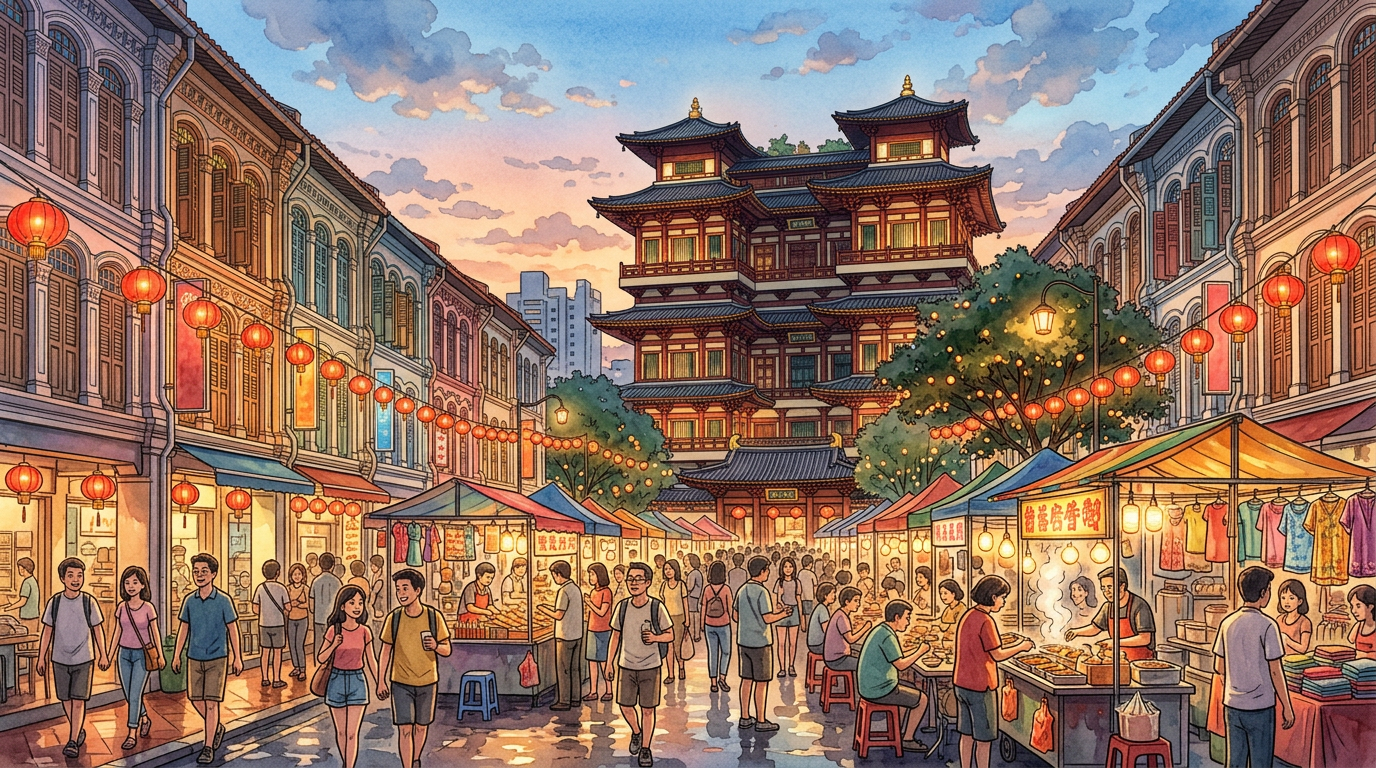
For a Singapore Chinatown Complete Guide for Tourists Itinerary: Planning Your Visit, plan 2–4 hours starting at Pagoda Street, then visit the Buddha Tooth Relic Temple, Sri Mariamman Temple, Chinatown food streets, and nearby hawker centres, ending around Ann Siang Hill or Club Street for sunset drinks and photos. Everything is walkable from Chinatown MRT, and you can easily adapt this route for families, food-focused travellers, or business visitors with limited time.
This Chinatown itinerary is a focused cluster guide supporting Homejourney’s broader Singapore city and neighbourhood pillar content. While the pillar dives deep into living, investing, and staying near heritage districts, this article helps you experience Chinatown Singapore like a local in a single visit, with practical timing, routes and safety-focused tips. As a trusted real estate and lifestyle platform, Homejourney connects your tourism plans with longer-term decisions, from choosing hotels to exploring nearby homes via Property Search .
Why Chinatown Singapore is a Must-Visit
Chinatown is one of Singapore’s most atmospheric historic districts, where traditional shophouses, temples and street markets sit beside modern cafes, boutique hotels and offices. Historically, the area around Pagoda Street was a hub for early Chinese immigrants, and many buildings still reflect this working-class heritage. Today, you’ll find a dense mix of sights: the Buddha Tooth Relic Temple, Sri Mariamman Temple (Singapore’s oldest Hindu temple), Chinatown Heritage Centre, and bustling food streets like Smith Street and Chinatown Complex. For property buyers and investors, Homejourney’s Projects Directory lets you explore projects around the CBD and Chinatown, showing how this tourism hotspot sits within a broader live-work-play ecosystem.
Essential Information: Getting to and Around Chinatown
Address / Core Area: The heart of Chinatown is around Pagoda Street, South Bridge Road, Smith Street and New Bridge Road in the Central Area.
How to Get There (MRT, bus, taxi):
- MRT: Take the Downtown Line (Blue) or North East Line (Purple) to Chinatown MRT Station. Use Exit A or C to emerge directly onto Pagoda Street and the main market area.
- From Marina Bay / CBD: Many CBD hotels are within 10–15 minutes’ walk; otherwise, one or two MRT stops away (e.g., from Raffles Place or Telok Ayer to Chinatown).
- Buses: Multiple bus services run along New Bridge Road and South Bridge Road; look for stops labeled "Chinatown" or "Opposite Chinatown Point" via LTA’s Journey Planner.
- Taxi / Ride-hail: Ask to be dropped at "Pagoda Street" or "Buddha Tooth Relic Temple" on South Bridge Road for easy orientation.
Opening Hours & Fees (Area): Chinatown is an open neighbourhood; streets and shophouse exteriors are accessible 24/7 with no entrance fee. Individual attractions have specific hours and rules:
- Buddha Tooth Relic Temple and Museum: Commonly 9am–5pm for the museum floors, with main hall open roughly 9am–5pm; confirm via the temple’s official site before visiting.
- Sri Mariamman Temple: Typically open mornings and evenings; check precise times and worship schedules via its official website or STB information.
- Chinatown Heritage Centre: Hours and ticket prices can change; consult Singapore Tourism Board or the centre’s official page before you go.
Best Time to Visit:
- Late morning to early afternoon (10am–2pm): Best for temple visits, museum stops, and shopping, with most shops open and moderate crowds.
- Late afternoon to evening (4pm–9pm): Ideal for the full Chinatown atmosphere—lanterns lit, street markets busy, and dinner options in full swing.
How Long to Spend:
- Quick visit (1.5–2 hours): Pagoda Street, Buddha Tooth Relic Temple, and a meal at Maxwell Food Centre or Chinatown Complex.
- Half-day (3–4 hours): Add Sri Mariamman Temple, Chinatown Heritage Centre, Ann Siang Hill, and Club Street.
Official Information: For latest event listings, opening hours and heritage trails, refer to the Singapore Tourism Board and URA heritage resources, plus the official pages of individual temples and museums.
Chinatown Singapore 3–4 Hour Walking Itinerary
This local-tested route balances temples, heritage, Chinatown food, and photo spots in a compact loop. Distances are short; most segments are 5–10 minutes on foot.
Stop 1: Pagoda Street & Chinatown MRT (0–30 minutes)
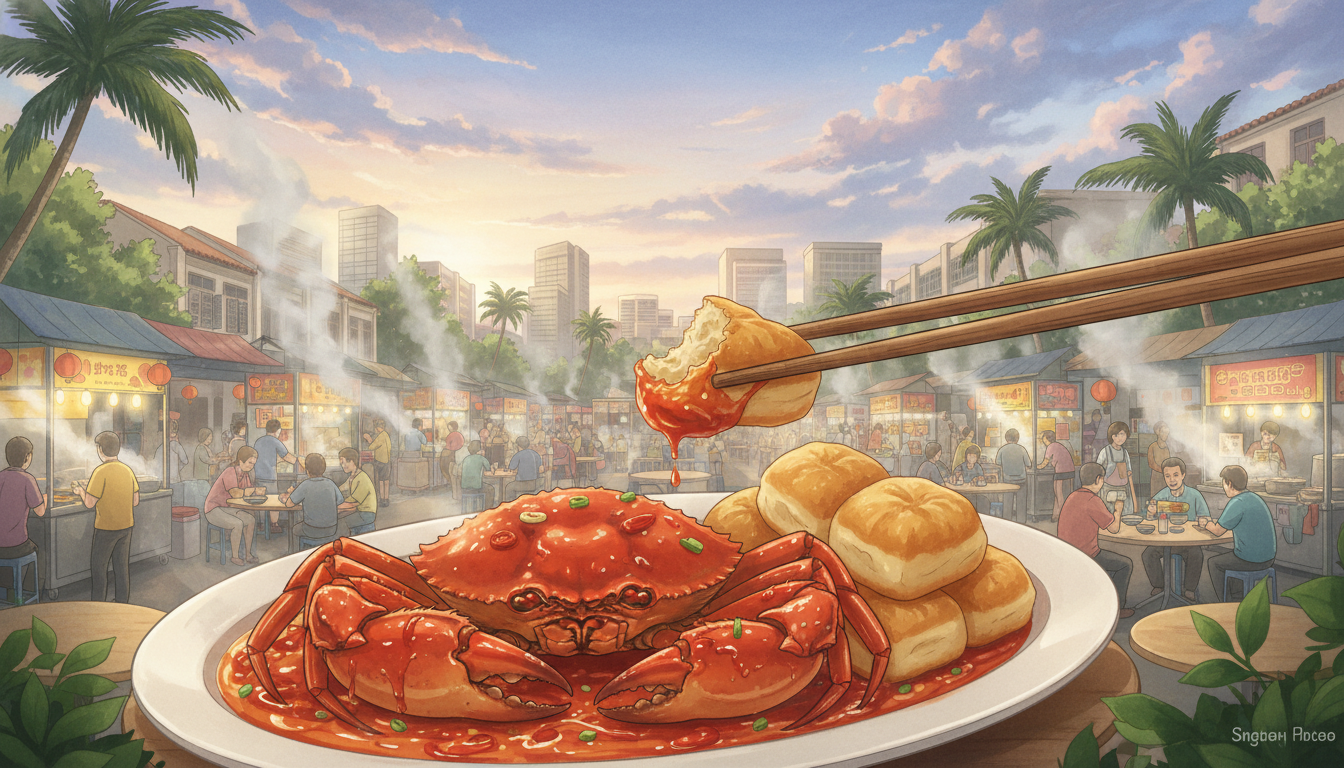
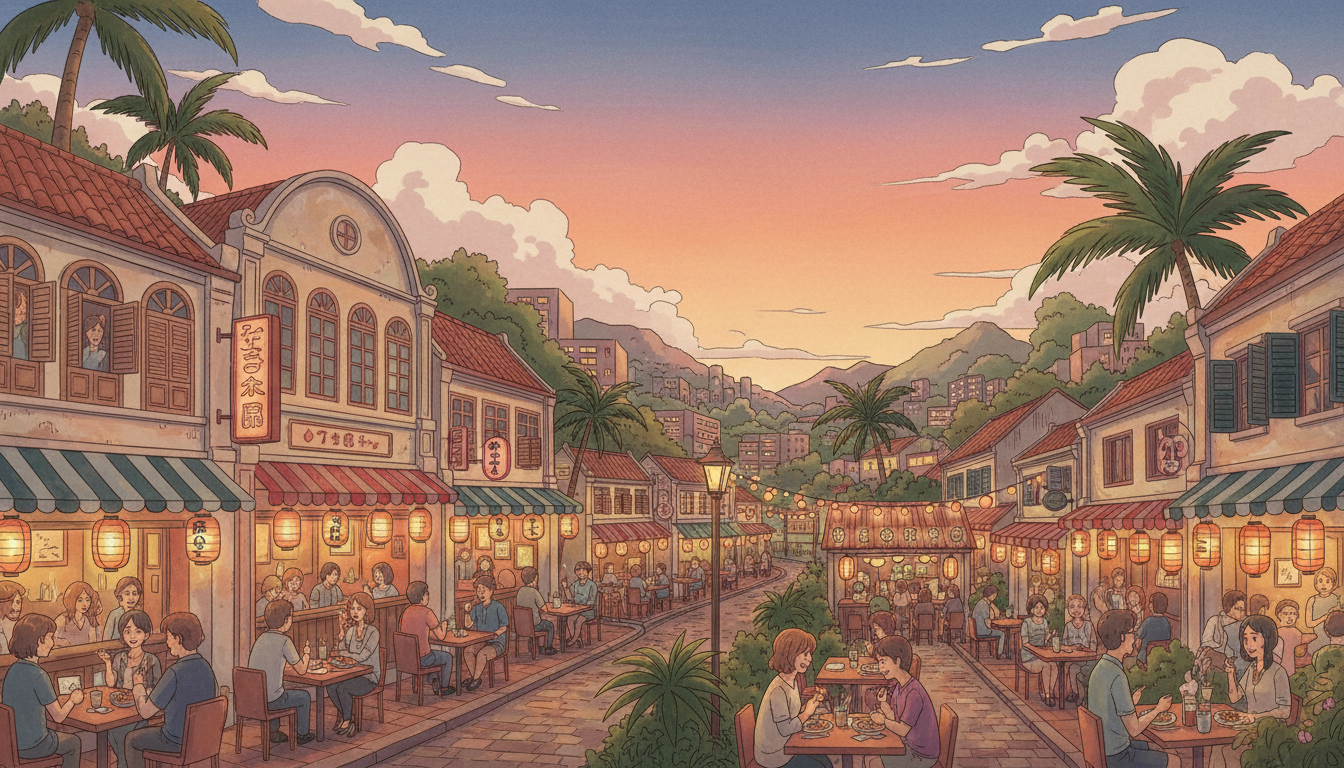
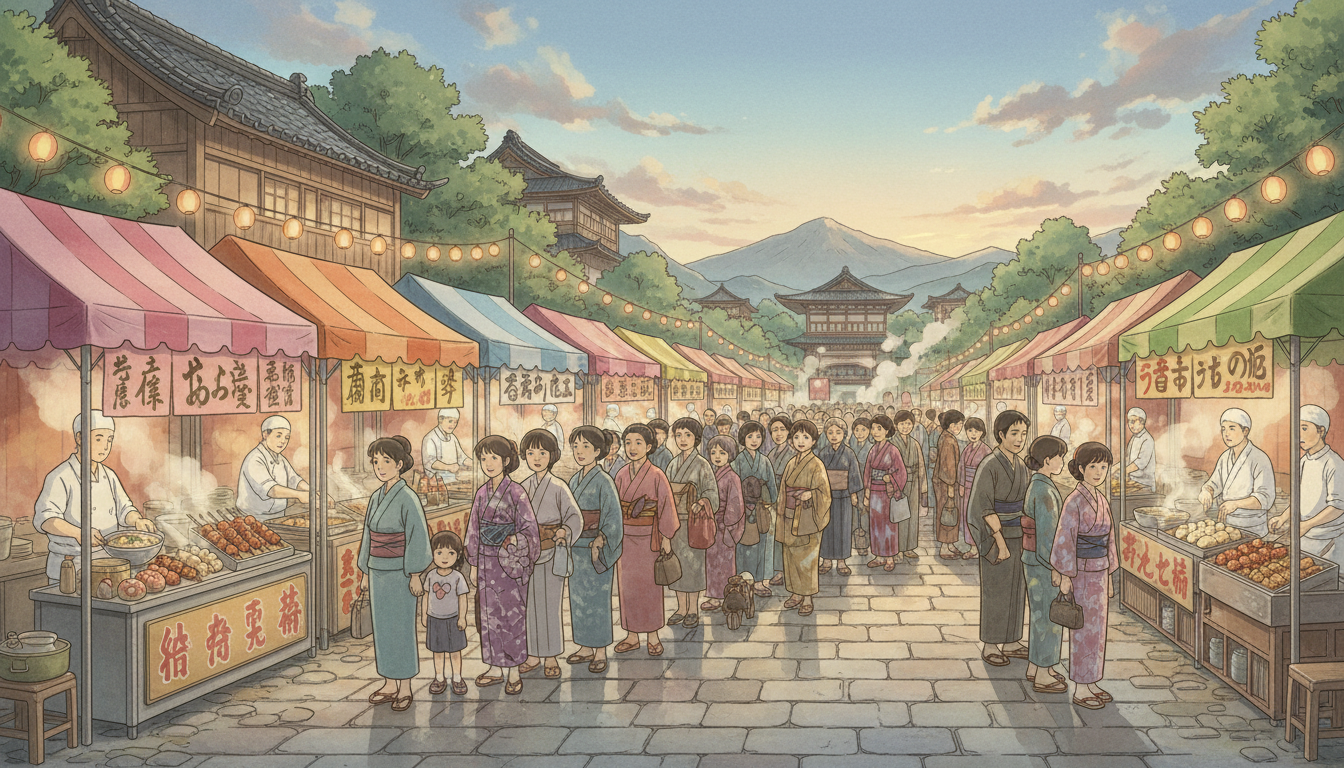
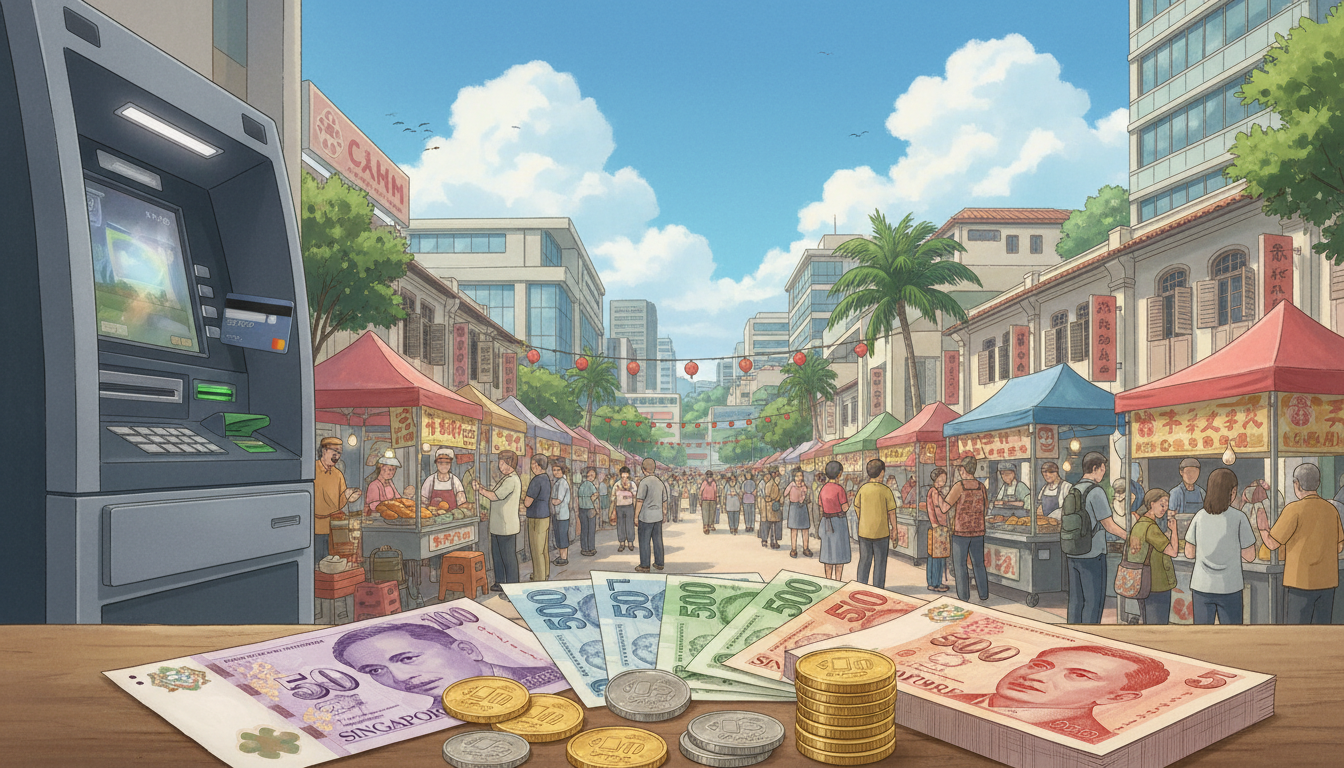
Start at Pagoda Street Insider tip: Walk all the way down Pagoda Street toward South Bridge Road; you’ll naturally reach Sri Mariamman Temple and see signboards pointing to nearby attractions. At the end of Pagoda Street, turn toward the elaborately carved gopuram of Sri Mariamman Temple, Singapore’s oldest Hindu temple. The entrance is typically free, but donations are welcome; visitors must remove shoes and dress modestly (covered shoulders and knees). Inside, look for the intricate South Indian-style sculptures and observe quietly while worshippers perform their rituals. Safety & respect: Photography rules may vary; check posted signs and ask temple staff if unsure. Avoid loud conversations and keep children close, especially during busy prayer times. From Sri Mariamman, walk 3–5 minutes along South Bridge Road to the striking red-and-gold Buddha Tooth Relic Temple, inspired by Tang dynasty architecture. The ground-floor main hall is free to enter; upper floors house a museum of Buddhist art and the sacred relic chamber on the top level. Many visitors spend 45–60 minutes here, exploring the exhibits and taking in the ornate interior. Insider timing tip: Aim to arrive by 3–4pm if you’re doing an evening Chinatown visit, as the museum typically closes around 5pm. Dress modestly, keep voices low, and avoid flash photography in sensitive areas. After the temple, it’s time for Chinatown food. Walk across to Maxwell Food Centre, a major hawker centre on Maxwell Road, just opposite Buddha Tooth Relic Temple. Alternatively, head to Chinatown Complex at Smith Street, a slightly longer 5–8 minute walk through shophouse streets. Expect hawker dishes in the SGD 4–8 range for noodles, rice, and local favorites, and around SGD 2–3 for drinks like kopi (local coffee) or sugarcane juice, based on typical hawker pricing across Singapore. Specific stall prices vary and should be checked on-site; Homejourney recommends using this as a benchmark and adjusting for inflation or premium ingredients. Insider food tip: Lunchtime (11:30am–1:30pm) sees peak queues; arrive slightly earlier or later to secure seats more easily. For a curated list of dishes and stalls, see our dedicated food cluster: Chinatown Singapore Food Guide for Tourists | Homejourney Chinatown Singapore Food Guide for Tourists | Homejourney . After eating, loop back through the street markets along Pagoda Street, Trengganu Street, and the surrounding lanes. Look up to see lantern strings and shophouse facades with traditional wooden shutters and decorative plasterwork. Keep an eye out for the "Labour of Love" heritage murals tucked in alleys; these artworks depict everyday life in old Chinatown and are popular with photographers. Insider navigation tip: Wander slowly through small side lanes instead of staying only on the main streets; you’ll discover quieter corners, clan association buildings, and traditional Chinese medical halls with shelves of herbs and tonics. If you have more time, walk about 10 minutes toward Ann Siang Hill and Club Street, a conservation area with stylish bars, cafes, and some boutique offices. This area is excellent for sunset photography—shophouses framed against downtown skyscrapers—and for visitors who want a drink or dessert in a more relaxed setting. Investors and repeat visitors often explore nearby residential and mixed-use developments in this area and the Tanjong Pagar corridor. Use Homejourney’s Projects and Property Search to understand the blend of heritage and modern living around Chinatown. While Chinatown is easy to explore independently, guided options provide historical depth and ensure you don’t miss hidden corners. Insider tip: If you join a guided tour, wear comfortable shoes and bring a small umbrella or poncho; routes typically involve 2–4km of walking in humid conditions. Singapore’s climate is hot and humid year-round, so comfort and hydration matter more than style. Homejourney encourages visitors to prioritise safety: obey road crossings, follow temple rules, and store valuables securely in crowded areas. Feedback from travellers helps refine our guides, and we continuously update information where official sources indicate changes. Chinatown is one of the easiest places in Singapore to enjoy a full day without overspending. Safety tip: Singapore is generally very safe, but in busy markets always keep bags zipped, avoid large amounts of cash, and use cards or contactless payment where available. For any concerns, approach staff at MRT stations or malls, who are trained to assist visitors. Because Chinatown sits near the CBD, it’s easy to combine with other key districts in a single day.
Stop 2: Sri Mariamman Temple (30–50 minutes)
Stop 3: Buddha Tooth Relic Temple and Museum (50–90 minutes)
Stop 4: Chinatown Food – Maxwell Food Centre or Chinatown Complex (90–150 minutes)
Stop 5: Street Markets, Murals, and Heritage Shophouses (150–210 minutes)
Optional: Ann Siang Hill and Club Street (Evening Extension)
Guided Tours, Audio Guides and Heritage Walks
Practical Tips: What to Wear, Bring and Know
Money-Saving and Safety-Conscious Tips
Nearby Attractions to Combine in One Day