Harassment and Privacy Violations by Landlords in Singapore: Legal Options for Tenants are governed mainly by your tenancy agreement, common law rights like quiet enjoyment, and general harassment laws such as the Protection from Harassment Act, rather than a single tenant-protection statute. In practice, this means Singapore tenants can take action through police reports, Protection from Harassment Court applications, Small Claims Tribunal claims, and civil suits if landlords engage in illegal landlord actions like harassment, unlawful entry, threats or doxxing.
This focused Homejourney guide zooms in on tenant harassment and privacy violations – a key subtopic within our broader pillar on Singapore tenancy law and tenant protection – and explains exactly what tenants and landlords can and cannot do, with practical, step‑by‑step options if problems arise. Drawing on real examples from common rental areas like Tampines, Jurong, and Tiong Bahru, and referencing official Singapore sources, this article is designed to help both local and expat renters navigate harassment and privacy risks confidently while using Homejourney’s verified rental search Property Search and tenant‑friendly agents .
What counts as landlord harassment and privacy violations in Singapore?
In Singapore, tenant harassmentquiet enjoyment
Typical examples Homejourney sees in Singapore rentals include:
- Repeated unannounced visits to the unit, sometimes late at night, to “check” on the tenant or pressure for early move‑out – common in older walk‑up apartments around Joo Chiat and Geylang, especially when owners plan quick renovations.
- Threatening messages via WhatsApp or SMS, such as “If you don’t move out in 3 days, I’ll come with my men” – a pattern that can amount to criminal intimidation and harassment.
- Cutting utilities (electricity, water, Wi‑Fi) to force tenants out or to punish late payment – this breaches quiet enjoyment and may support a claim for damages.
- Doxxing or shaming tenants on social media or group chats (posting names, photos, or address with insults) – this can fall under POHA as harassing communication and doxxing.
Privacy violations by landlords usually involve entering the property without notice, installing surveillance devices without consent, or repeatedly accessing bedrooms or personal spaces beyond agreed inspection rights. Under Singapore tenancy law, your right to exclusive possession means the landlord cannot enter at will; they must give reasonable notice (often 24 hours and during daytime) except for emergencies like fire, gas leaks or serious water leakage. For a deeper breakdown of entry rules, see Homejourney’s guide: Can Your Landlord Enter Anytime? Homejourney Explains Tenant Inspection Rights Can Your Landlord Enter Anytime? Homejourney Explains Tenant Inspection Rights .
Legal foundations: where tenant protection comes from
Singapore does not have a single comprehensive Tenancy Act; instead, tenant protection arises from multiple sources:
- Tenancy agreement (TA) – the primary contract between landlord and tenant, specifying rights, obligations, entry notice, inspection clauses, and termination rules.
- Common law rights – especially the covenant of quiet enjoyment and exclusive possession, which prohibits substantial interference with the tenant’s use of the property.
- Protection from Harassment Act 2014 (POHA) – provides civil and criminal remedies for harassment, stalking, doxxing and false statements, and establishes the Protection from Harassment Court.
- Penal Code – criminal intimidation (threats of harm) and other offences such as unlawful harassment or damage.
- Stamp Duties Act – requires stamping of leases over one year (typically 0.4% of annual rent), supporting enforceability if disputes arise.
For HDB rentals, additional rules apply: landlords must comply with HDB subletting regulations, and tenants can report illegal subletting or harassment to HDB if the unit is not properly approved. Private property tenants rely mainly on their TA and general laws, but both groups can seek remedies through POHA, police reports, Community Mediation Centre, and the Small Claims Tribunal.
How to respond when your landlord harasses you or violates your privacy
When harassment or privacy violations occur, tenants should act quickly but calmly. Homejourney’s experience with renters in areas like Clementi and Bishan shows that early documentation and firm, written communication often prevent escalation.
Step 1: Recognise warning signs of illegal landlord actions
Early warning signs include:
- Landlord entering your unit without notice, especially when you’re not home.
- Installing or refusing to remove CCTV pointing directly into your living room or bedroom windows without your consent.
- Explicit or veiled threats (“I know where you work; I’ll wait downstairs”) sent repeatedly.
- Repeated calls or messages late at night demanding payment or move‑out.
- Turning off power or Wi‑Fi after minor disagreements, unrelated to actual non‑payment.
In many Singapore neighbourhoods – for example, shared apartment setups near NUS or CBD co‑living units – tenants may tolerate occasional unannounced visits; however, once behaviour becomes persistent, intimidating or targeted at your private space, it likely crosses into tenant harassment and breach of quiet enjoyment.
Step 2: Document everything carefully
Singapore courts and tribunals place heavy weight on documentary evidence, not verbal claims. Tenants should:
- Save all WhatsApp/SMS/Telegram messages, voicemails and emails with timestamps.
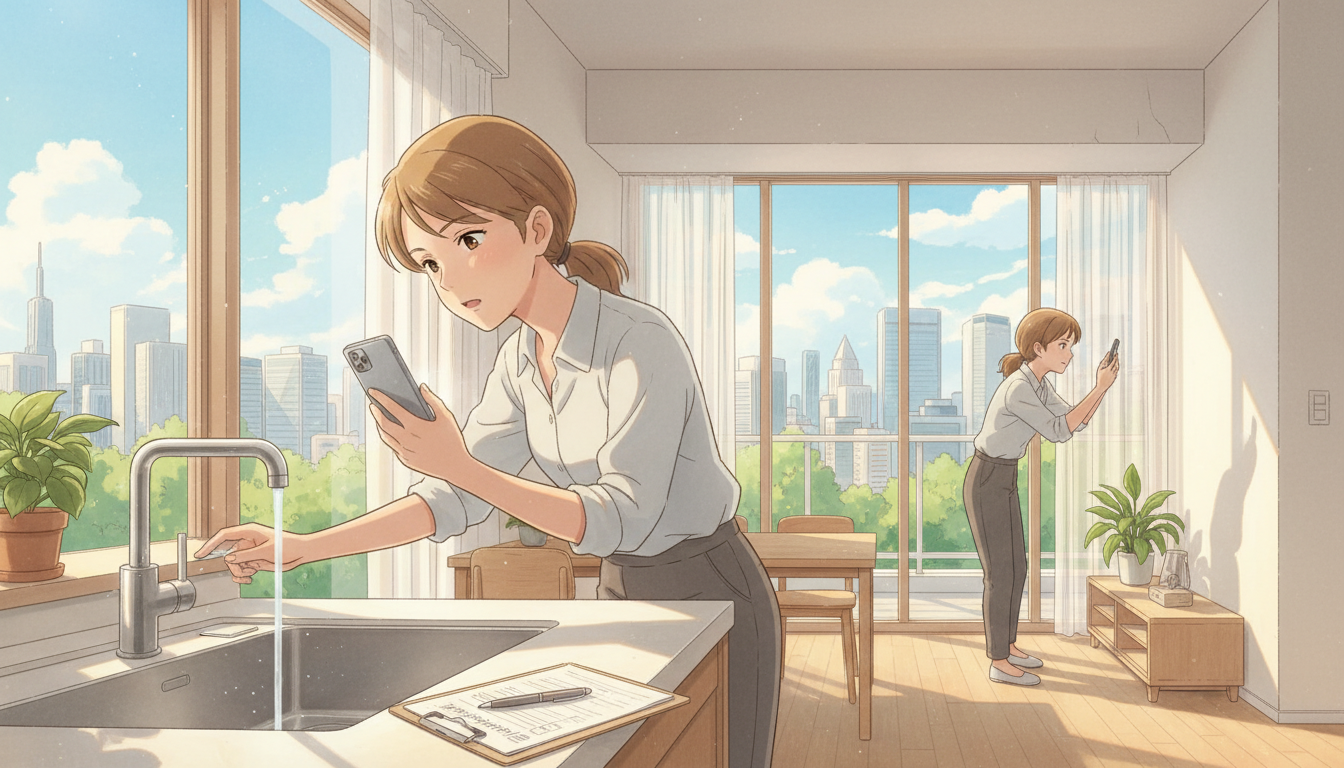
- Take photos or videos (with date/time where possible) of unauthorised entries, changed locks, or utility meters switched off.
- Record the dates and approximate times of each disturbing incident in a simple log (e.g. “15 Mar, 11.30pm: landlord banged on door for 10 minutes”).
- Keep copies of your stamped tenancy agreement and receipts for rent and utilities.
If your landlord shows up repeatedly at your door in a busy estate like Ang Mo Kio, note whether any neighbours witnessed the behaviour; witnesses can strengthen your case if matters reach the Protection from Harassment Court or Small Claims Tribunal.
Step 3: Send a calm, written demand to stop harassment
Before escalating, many lawyers recommend a firm written demand clarifying your rights. A simple template could include:
- Brief description of the conduct (e.g. “You have entered my room without notice on three occasions and sent threatening messages.”).
- Reference to your TA and quiet enjoyment (“This breaches our tenancy agreement and my right to quiet enjoyment of the premises.”).
- Clear request (“Please stop entering the unit without notice and cease all threatening communication.”).
- Deadline (“If the behaviour continues, I will consider lodging a police report and seeking legal remedies.”).
Send this via email and, where possible, registered post to the landlord’s mailing address stated in the TA. In Homejourney’s experience, many landlords in suburban condos like Parc Riviera or The Floravale back down once they see the tenant is organised and aware of their legal options.
Step 4: Escalation choices – mediation, SCT, POHA and police
If harassment or privacy violations continue, tenants can choose from several escalation paths. The right option depends on urgency, safety, and the outcome they seek (e.g. compensation, an order to stop, or criminal enforcement).
1. Community Mediation Centre (CMC)
The CMC offers free or low‑cost mediation for neighbour and landlord‑tenant disputes, useful when issues are non‑violent but persistent. It is suitable if you:
- Still feel safe living in the unit.
- Want a neutral mediator to help negotiate boundaries (e.g. inspection schedule, communication rules).
- Seek a quicker, informal resolution without court proceedings.
Cases involve both parties attending sessions, often at locations near MRT nodes like Maxwell or Chinatown, and agreements can be recorded in writing. While not a court order, a mediated settlement can stabilise relations in HDB blocks or condos where you intend to stay for the full lease term.
2. Small Claims Tribunal (SCT)
The SCT handles monetary disputes up to S$20,000, covering claims like rent refunds, damages for breach of quiet enjoyment (e.g. repeated harassment making part of the unit unusable), and reimbursement for costs incurred. Key features:
- No lawyers required; filing fees are about S$10–S$100 depending on claim size.
- Most cases conclude within 1–2 months.
- Located at State Courts, near Chinatown MRT (about 5 minutes’ walk from Exit C).
The tribunal can order landlords to pay damages where harassment or privacy violations amount to breach of contract or quiet enjoyment. For detailed SCT strategy on rental disputes, see Homejourney’s Security Deposit Disputes in Singapore: Tenant Evidence & SCT Strategy Security Deposit Disputes in Singapore: Tenant Evidence & SCT Strategy | Homejou... and Small Claims Tribunals for Rental Disputes in Singapore Small Claims Tribunals for Rental Disputes in Singapore | Homejourney .
3. Protection from Harassment Act (POHA) – Protection from Harassment Court
Under POHA, victims of harassment can apply to the Protection from Harassment Court for civil remedies such as Protection Orders (PO) and Expedited Protection Orders (EPO).
For tenants facing landlord harassment, POHA can provide:
- Protection Orders requiring the landlord to stop specific harassing behaviour or remove online posts.
- Expedited Protection Orders in urgent, serious cases, granted quickly to provide immediate protection.
- Claims for damages to compensate for emotional distress and losses caused by harassment.
Applications are filed at the Protection from Harassment Court, housed within the State Courts complex at Havelock Square, and involve submitting an Originating Summons and Supporting Affidavit with evidence. POHA applies to both physical and online harassment, covering conduct like repeated late‑night visits, threatening messages, and doxxing of tenants. For serious imminent danger, tenants should call 999 or SMS 71999 rather than waiting for court orders.
4. Police reports and criminal proceedings
For harassment involving threats of violence, stalking, unlawful entry or tampering with property, tenants can file a police report via SPF’s e‑services or at neighbourhood police centres. The police may:
- Record statements and investigate potential criminal offences under POHA or the Penal Code.
- Advise making a Magistrate’s Complaint in non‑seizable POHA cases.
- Intervene immediately where there is risk of harm.
Convictions under POHA can carry fines up to S$5,000 and/or up to 12 months’ imprisonment, with higher penalties for repeat offenders. This serves as a strong deterrent against extreme landlord harassment, particularly in dense HDB and condo environments where repeated stalking or threats can severely impact tenants’ daily lives.
Privacy violations: landlord entry, surveillance and inspections
Beyond overt harassment, many Singapore tenants experience privacy violations, especially in shared housing arrangements near universities or business districts. Common issues include landlords entering rooms without notice, frequent inspections beyond TA terms, and hidden surveillance.
Key principles of landlord restrictions on entry:
- The tenant has exclusive possession of the premises during the lease; the landlord retains ownership but not day‑to‑day control.
- Reasonable notice is required for non‑emergency entry, often stipulated in the TA as 24 hours’ written or verbal notice during office hours.
- Emergencies (fire, gas leak, major flooding) allow immediate entry to protect lives and property.
- Inspections should be at agreed intervals (e.g. quarterly) and limited to necessary areas, not daily or weekly “spot checks”.
Hidden cameras pointed into tenant bedrooms or bathrooms are serious privacy violations and may amount to criminal offences. Tenants who suspect such surveillance should document evidence, relocate to a safe place if possible, and lodge police reports immediately.
Practical prevention tips before you sign a lease
Preventing harassment and privacy problems starts before you sign your tenancy agreement. Homejourney encourages tenants to focus on these safeguards when shortlisting units via our rental search Property Search and reviewing drafts with agents .
1. Check inspection and access clauses carefully
Before you commit to a unit in areas like Paya Lebar, Woodlands or River Valley, read the TA clauses on landlord entry and inspections:
- Ensure they specify reasonable notice (e.g. 24 hours) and limit inspections to specific purposes (maintenance, viewings in final weeks).
- Watch for vague terms like “landlord may enter at any time to check premises”; negotiate clearer wording.
- Add a clause that emergency access is allowed only for genuinely urgent issues.
If you are unsure, seek clarification from your Homejourney agent, who can explain standard market practice and help negotiate tenant‑friendly terms in line with quiet enjoyment.
2. Ask about landlord behaviour and expectations
Insider practice in Singapore: talk to existing tenants or neighbours in the block if possible. In long‑established estates like Toa Payoh, word travels quickly about “over‑controlling” landlords. Ask specifically:
- How often does the landlord visit?
- Do they respect privacy and notice, or show up without informing?
- Any history of disputes over minor issues?
Agents familiar with the area can often share non‑confidential insights about landlord style, especially for units they manage regularly. Homejourney’s focus on verified information and user feedback helps identify tenant‑friendly owners in popular rental clusters.
3. Keep all documentation organised from day one
Once you move in:
- Store signed TA, inventory lists, and evidence of stamp duty payments (usually processed via IRAS within 14 days).
- Keep a digital folder for all communications with the landlord and agent.
- Photograph key areas of the unit at move‑in to avoid later allegations.
This documentation becomes crucial if harassment or privacy disputes later escalate to SCT or POHA proceedings.