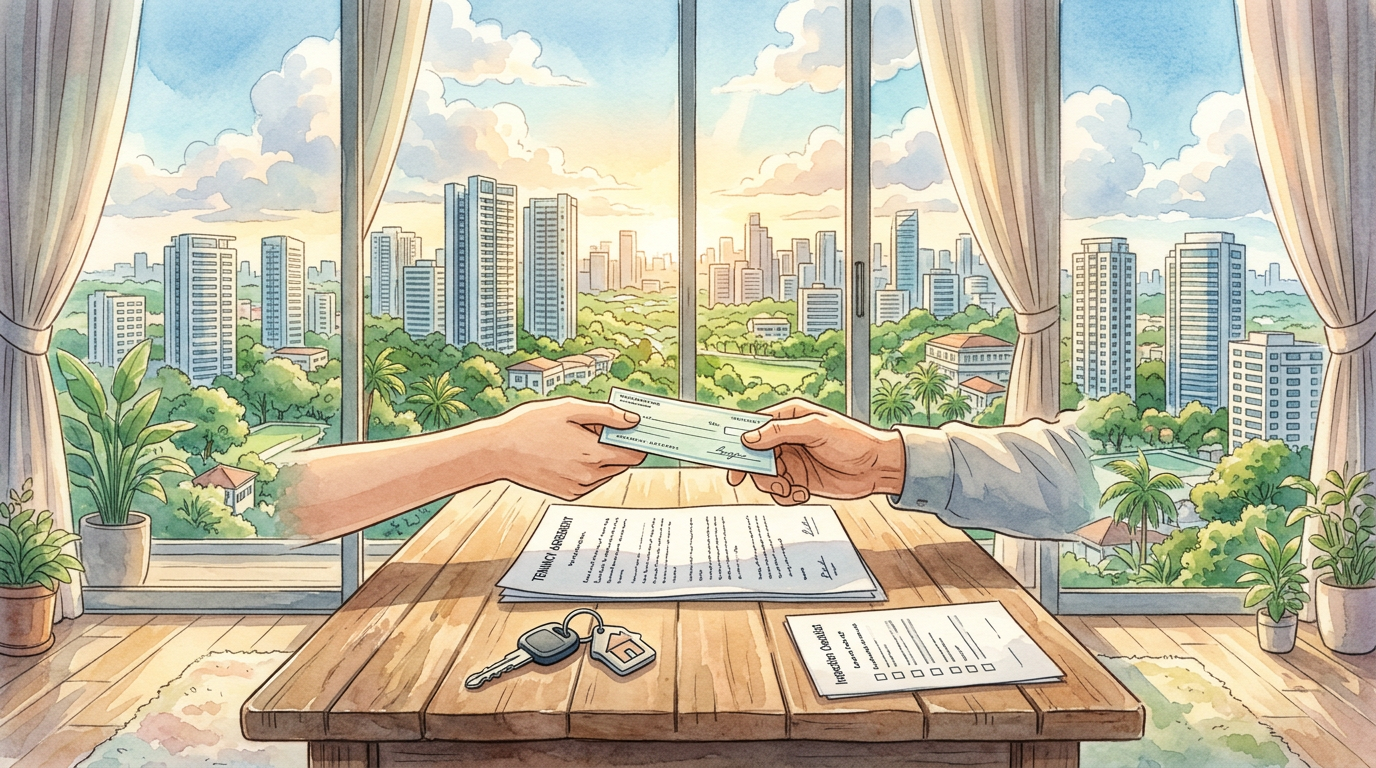
Small Claims Tribunals for Rental Disputes in Singapore can help landlords and tenants resolve qualifying residential tenancy disputes up to $20,000, or up to $30,000 with both parties’ written consent.[4][6] For issues such as unpaid rent, deposit disputes, or repair-related claims under a residential tenancy agreement of not more than two years, the SCT is often the fastest formal route after negotiation and mediation fail.[4][6]
This cluster article supports Homejourney’s broader rental rights pillar by showing when the SCT is the right escalation step, what evidence matters, and how to avoid procedural mistakes that weaken a claim. If you are renting out a unit or searching for a safer lease, use Homejourney’s rental tools to start with clearer terms and better documentation: Property Search or https://www.homejourney.sg/search?status=For+Rent.
What the Small Claims Tribunals can handle
The SCT is part of the Singapore Courts and hears certain low-value disputes, including residential tenancy agreements that do not exceed two years.[4][6] In rental cases, the most common disputes involve unpaid rent, security deposit disagreements, damage charges, and reimbursement claims linked to the tenancy contract.[1][4]
The key point is scope: the SCT is designed for contract-based claims, not broad landlord-tenant grievances or eviction Singapore disputes that require injunctions or possession orders. If the problem is illegal eviction, an eviction notice that does not comply with the lease, or a dispute over whether a landlord had tenant eviction rights at all, the contract and common-law position still matter, but the SCT may not be the right forum for every remedy.[1][4]
When the SCT is a good fit
- Your claim is based on a residential tenancy agreement.
- The total amount claimed is within $20,000, or up to $30,000 with written consent from both sides.[6]
- The dispute is still within the two-year filing period from the event giving rise to the claim.[6]
- You have documents showing the lease terms, payments, messages, and any damage or repair evidence.[1][4]
When to look at another route first
- You need urgent orders about possession, access, or an ongoing illegal eviction.
- Your claim value exceeds the SCT limit and the other party will not consent to a higher limit.[6]
- The dispute involves complex legal questions that may be better handled with professional advice or civil proceedings.
Step-by-step: filing a rental claim at the SCT
According to the Singapore Courts, claims are filed through the Community Justice and Tribunals System (CJTS), and the process starts with a pre-filing assessment to check eligibility.[4][6] This is useful because it can prevent wasted filing fees when the claim does not fall within the tribunal’s jurisdiction.[6]
- Prepare your case. Write a short, factual statement explaining what happened, what clause was breached, and how much you are claiming.[1]
- File online through CJTS. Submit the claim and pay the filing fee, which varies by claim amount.[1][2]
- Serve the respondent. The claimant must serve the claim and Notice of Consultation within seven days of filing, usually by personal delivery or registered post.[1][3]
- Attend the consultation. The Registrar will check whether the matter falls within SCT jurisdiction and may help the parties settle.[1][3]
- Go to hearing if needed. If no settlement is reached, the matter may proceed to a hearing before a Tribunal Magistrate.[1][3]
For practical rental planning, landlords should also keep financing records organised through Bank Rates and property-related documentation through Projects Directory or Projects when reviewing investment assumptions and cash flow.
Evidence that makes or breaks a rental dispute
In a Singapore tenancy dispute, the strongest claims are usually the simplest to prove. The SCT relies heavily on documents, so keep your evidence in chronological order and make the amount claimed easy to verify.[1][5]
Useful documents to prepare
- The signed tenancy agreement and any addenda.
- Proof of rent payment, such as bank transfers or receipts.
- Deposit records and written discussions about deductions or refunds.
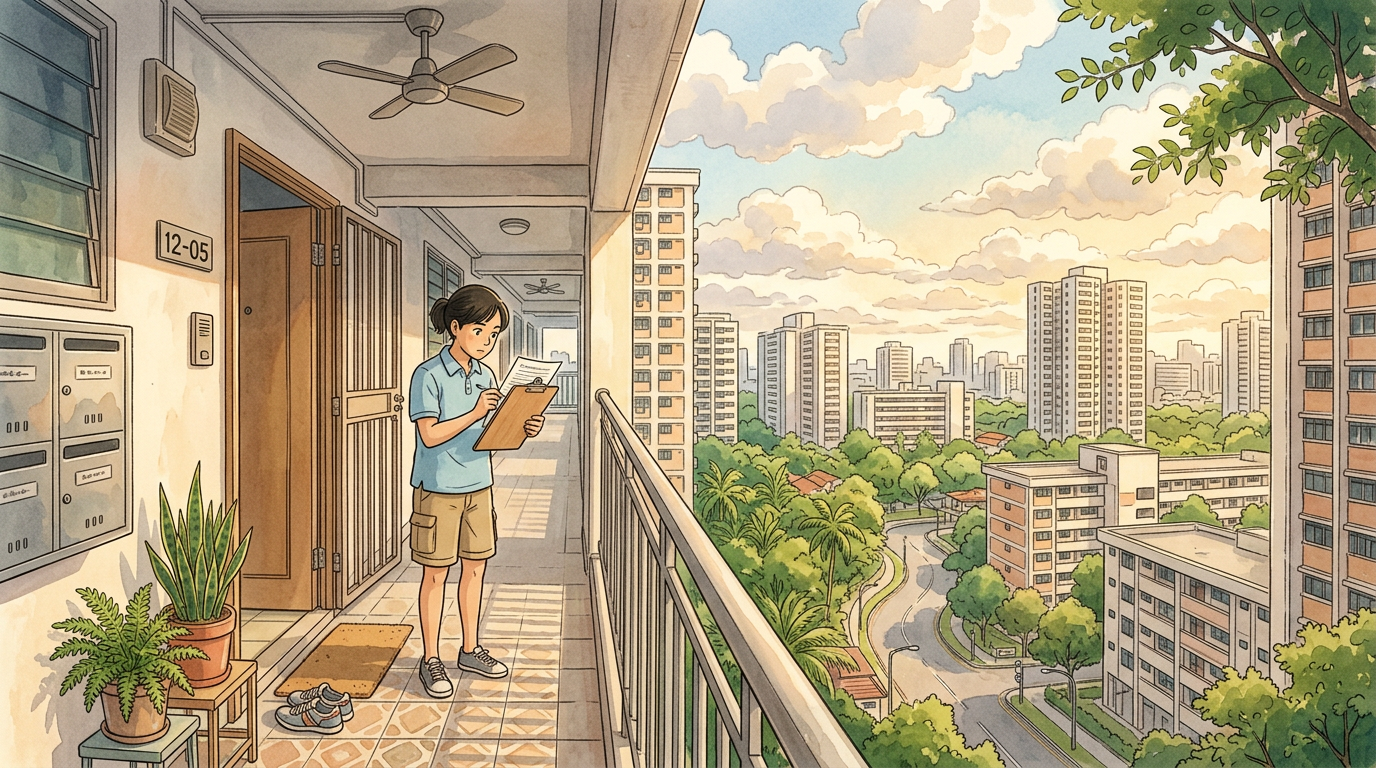
- Photos and videos of the unit before move-in and at move-out.
- Repair quotations, invoices, and contractor correspondence.
- WhatsApp, email, or SMS messages showing notice, consent, or disputes.
- Witness statements if someone else saw the condition of the unit or the handover.
For maintenance-related disputes, such as whether a repair was urgent or caused by tenant misuse, keep the timing clear. A landlord who can show documented inspections, prompt notices, and service records often has a stronger defence; tenants who can show immediate reporting and photo evidence often do better on deposit or repair claims.
Common mistakes that weaken claims
- Relying on verbal promises with no written proof.
- Claiming a round number without receipts or quotations.
- Mixing unrelated complaints into one SCT claim.
- Missing the seven-day service step after filing.[1][3]
- Waiting too long and risking the two-year filing limit.[6]
How the SCT fits with mediation and eviction disputes
In Singapore, the best dispute resolution path usually starts with direct communication, then mediation, and only then tribunal action if the matter remains unresolved.[1][10] The Community Mediation Centre is often a practical first stop for tenant-landlord disagreements that can still be settled through compromise.[1][10]
This sequence matters because many eviction Singapore problems begin as communication failures rather than true legal emergencies. A tenant who receives an eviction notice should check the lease terms, the stated breach, and whether the landlord is acting within the contract before responding in writing; for a deeper walkthrough, see How to Respond to an Eviction Notice in Singapore | Homejourney Safety Guide . If the issue looks like illegal eviction, read Illegal Eviction in Singapore: Warning Signs | Homejourney before taking any action.
Useful reality check for tenants and landlords
Singapore does not operate a rent-control system, so rights in most residential rentals come mainly from the tenancy agreement and common-law principles. That makes documentation especially important: what is written in the lease, what was actually delivered, and what was acknowledged in messages often determine the outcome more than assumptions about “tenant eviction rights.”
For landlords, this also means that a poorly drafted lease creates avoidable risk. For tenants, it means a clear move-in checklist and a copy of every payment can be the difference between a quick refund and a long dispute.
Costs, timing, and practical expectations
The SCT is generally intended to be faster and cheaper than civil litigation, but it is still a formal process.[4][7] Filing fees vary according to claim amount, and the Singapore Courts note that claims are handled through an online system with a consultation stage before any hearing.[1][4]
In practice, rental cases often turn on whether the parties can settle at consultation. If the claim is straightforward and both sides come prepared, the process can move efficiently; if the facts are messy or evidence is missing, the case may take longer and produce a less predictable outcome.[1][3]
For landlords and investors reviewing rental yield, Homejourney’s broader market tools, including Property Search and , help you find units and professionals who understand how to reduce dispute risk from day one. If you are also comparing financing assumptions, Homejourney’s Bank Rates page supports more realistic cash-flow planning.
How to reduce the risk of ending up at the SCT
The easiest rental dispute is the one that never reaches a tribunal. In Singapore, prevention usually comes from a precise lease, a detailed handover record, and prompt written communication when issues arise.[1][4]
- Use a written tenancy agreement even when the law does not require one.
- Photograph the unit at move-in and move-out, including walls, appliances, and meter readings.
- State repair responsibilities clearly, especially for air-conditioning, plumbing, and appliance faults; if service is needed, Homejourney’s maintenance resources such as Aircon Services can support better upkeep planning.
- Keep all rent and deposit payments traceable by bank transfer.
- Respond to disputes in writing within a day or two, not weeks.
For tenants, it is also worth reading End of Tenancy in Singapore: Tenant Rights, Obligations & Move-Out Checklist | H... and so that exit obligations do not become a deposit dispute. For landlords, better screening and clearer handover terms are the strongest defence against future claims.
Frequently asked questions
Can I file at the SCT for a rental deposit dispute in Singapore?
Yes, if the dispute arises from a qualifying residential tenancy agreement and the amount claimed is within the SCT limit.[4][6] You will still need proof of the lease, the deposit paid, and why the deduction or non-refund is unjustified.[1]
Does the SCT handle eviction cases?
The SCT can hear qualifying tenancy disputes, but it is not a general eviction court. If the issue is an illegal eviction or an urgent dispute over possession, you may need a different legal route depending on the remedy sought.[4][6]
What should I do if I receive an eviction notice?
Check the lease, preserve all messages, and reply in writing without admitting anything you have not verified. If the notice appears improper, use the guidance in How to Respond to an Eviction Notice in Singapore | Homejourney Safety Guide and consider legal advice early.
How much does it cost to file a small claim?
The filing fee depends on the claim value, and the Singapore Courts publish the fee structure through CJTS.[1][2] Because fees and procedures can change, always confirm the latest figures on the official courts portal before filing.
What evidence is most important in rental disputes?
The most persuasive evidence is usually the tenancy agreement, payment proof, dated photos, and written communications showing notice or agreement.[1][5] If your claim depends on damage or repair costs, invoices and quotations are especially important.
If you are facing a rental dispute, start with the paper trail, then escalate carefully. For a safer next lease, search verified rental options on Homejourney at Property Search or https://www.homejourney.sg/search?status=For+Rent, and connect with support through while you review the main rental rights pillar for the full framework on tenants, landlords, and dispute prevention.
References
- Singapore Property Market Analysis 4 (2026)
- Singapore Property Market Analysis 6 (2026)
- Singapore Property Market Analysis 1 (2026)
- Singapore Property Market Analysis 2 (2026)
- Singapore Property Market Analysis 3 (2026)
- Singapore Property Market Analysis 5 (2026)
- Singapore Property Market Analysis 10 (2026)
- Singapore Property Market Analysis 7 (2026)