If you want the best quotes for home services in Singapore, start by deciding whether a task is safe and simple enough for DIY, or if it legally and practically requires a licensed professional—then request 3–5 detailed, itemised quotes from verified providers and compare service scope, warranty, and reviews, not just price.
This cluster guide supports Homejourney’s main home services pillar by zooming into a common decision: How to Get the Best Quotes for Home: DIY Tips vs Hiring Professionals. It gives Singapore homeowners, tenants, and landlords practical criteria, current pricing benchmarks, and safety checks so they can compare prices confidently and choose between doing it themselves or booking trusted providers via Homejourney.
How to Get the Best Quotes for Home: DIY vs Pros – Quick Decision Framework
In Singapore, the fastest way to decide between DIY and hiring professionals is to assess four factors: safety risk, regulatory requirements, complexity, and total cost (money + time). For example, tightening a loose cabinet handle in your Tampines 4-room HDB is safe DIY, but rewiring power points in a Bishan resale flat must be done by a licensed electrician under HDB and BCA rules.
Here is a practical rule-of-thumb you can use before you start comparing service quotes:
- Safety first: Electrical, gas, major plumbing (e.g., relocating water points), and structural work should go to licensed professionals, not DIY.
- Regulations: For HDB flats, check the HDB Renovation Guidelines and Directory of Renovation Contractors for approved works; for condos, confirm with your MCST before drilling walls or installing outdoor aircon units.
- Complexity: One-room tasks (e.g., basic painting of a bedroom in Punggol) can be DIY; multi-room renovation, built-in carpentry, and hacking in a 5-room flat usually warrant professional quotes.
- Total cost: Consider tools, your time, and potential mistakes. A DIY aircon chemical wash gone wrong can damage the fan coil and cost more than paying a professional in the first place.
Once you decide the task type, you can use Homejourney to either find DIY-friendly guidance or compare quotes from vetted service providers with transparent pricing and verified reviews.
Typical Singapore Home Service Pricing: DIY Savings vs Pro Costs
To judge whether you are getting the best quote, you need a realistic benchmark of current home service pricing in Singapore. These ranges reflect typical 2026 rates from local service providers and market surveys; exact prices vary by unit size, location, and scope of work.
Aircon Servicing and Cleaning
For common HDB and condo units with wall-mounted split systems:
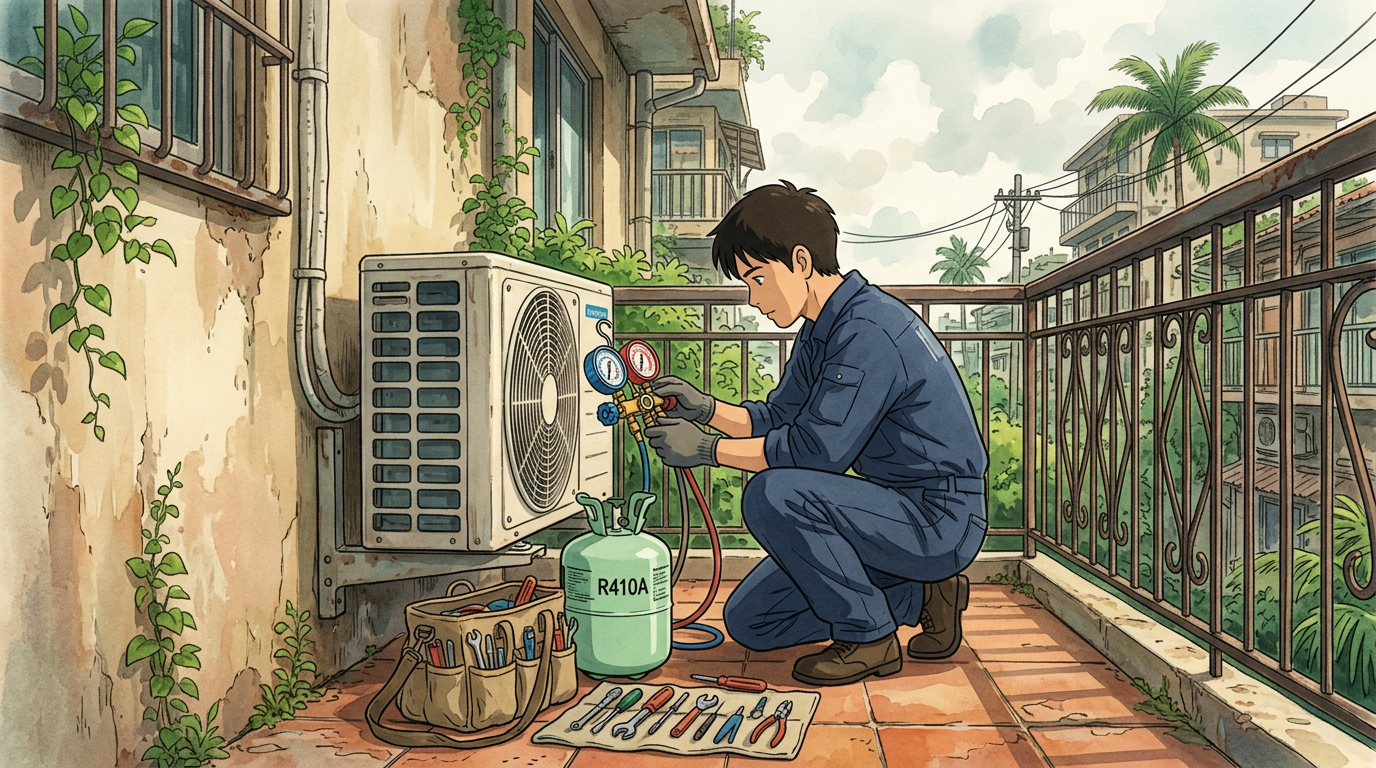
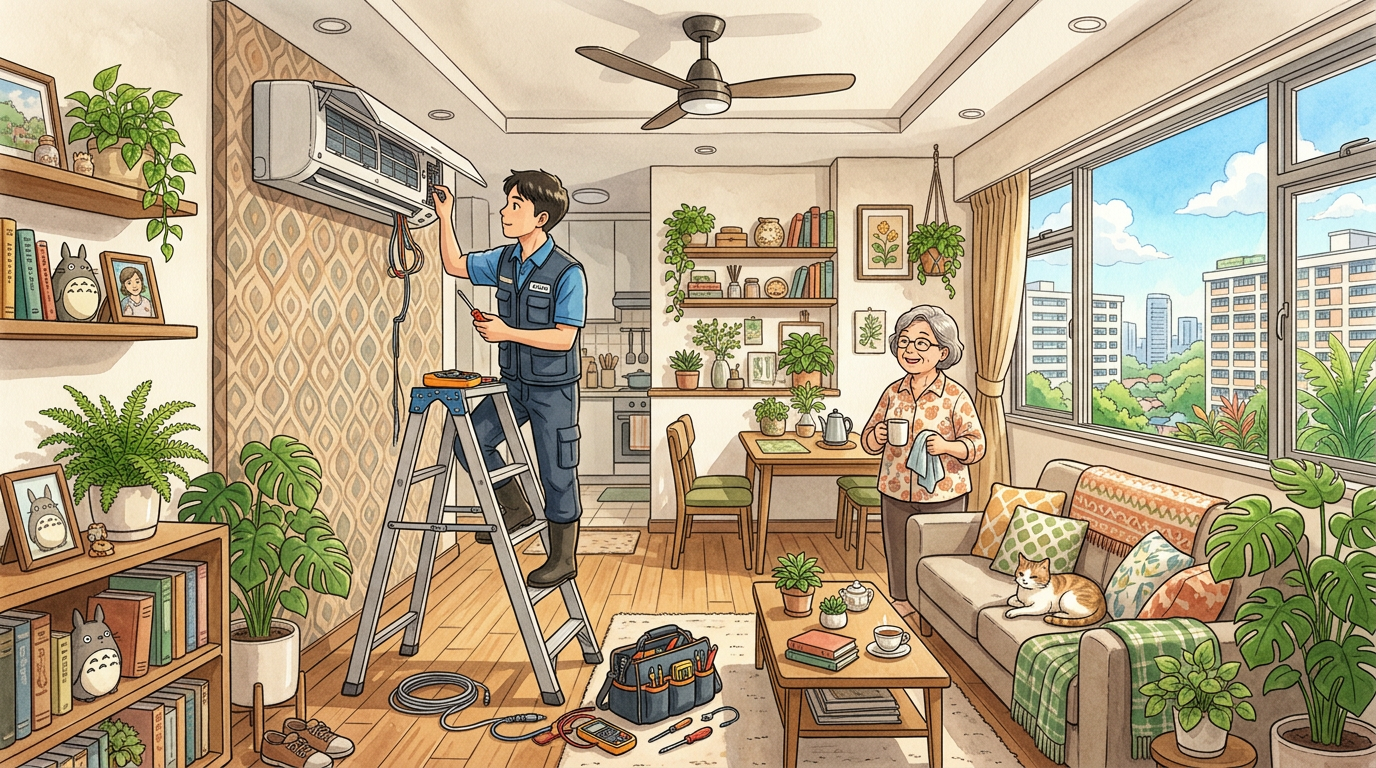
- General servicing (fan coil cleaning, gas pressure check): Around S$25–S$40 per unit for non-emergency weekday slots.
- Chemical wash: Roughly S$80–S$120 per unit, depending on accessibility and severity of dirt buildup.
- Chemical overhaul: Often S$140–S$200 per unit, typically recommended for very old systems or severe choking.
A careful DIY cleaning of accessible filters can be done with mild detergent and water, saving one service visit; but internal coil cleaning and any gas-related work should be left to licensed technicians. For a structured cost breakdown, see Aircon Services and related guides such as Clean Aircon Filter at Home: 2026 Cost Guide | Homejourney Clean Aircon Filter at Home: 2026 Cost Guide | Homejourney .
Cleaning and End-of-Tenancy Services
For a typical 4-room HDB in towns like Woodlands or Jurong West:
- General one-off cleaning: S$160–S$260 for 3–4 hours with a 2-person team.
- End-of-tenancy deep cleaning: S$280–S$450, including kitchen degreasing, bathroom descaling, and window cleaning.
- Move-in/move-out cleaning with basic disinfection: S$300–S$500 depending on add-ons.
DIY cleaning can save a few hundred dollars, but landlords in areas with high rental competition (e.g., city-fringe condos around Tiong Bahru and Queenstown) often prefer professional cleaning to meet tenant expectations and avoid disputes. For detailed checklists and quotes, refer to Choosing an End of Tenancy Cleaning Provider in Singapore Choosing an End of Tenancy Cleaning Provider in Singapore | Homejourney and End of Tenancy Cleaning Checklist in Singapore: DIY vs Pros End of Tenancy Cleaning Checklist in Singapore: DIY vs Pros | Homejourney .
Minor Handyman and Repair Work
Handyman services, common in mature estates like Ang Mo Kio and Bedok, often use a per-visit model:
- Call-out or first-hour fee: Typically S$60–S$120 depending on timing and complexity.
- Additional hours: Around S$40–S$80 per hour.
- Small fixed tasks: S$40–S$80 for simple jobs like replacing a tap or installing curtain rods.
Replacing basic fixtures or assembling furniture can often be safely DIY, but anything involving electrical circuits, load-bearing walls, or joint plumbing stacks in HDB blocks should be handled by professionals familiar with PUB and HDB requirements.
DIY Tips: How to Save Safely and Still Get Good Service Outcomes
DIY can make sense for non-regulated, low-risk tasks, especially for budget-conscious new homeowners. However, you should still use professional benchmarks and Homejourney’s service quotes data to avoid underestimating the job or buying unnecessary tools.
Best DIY Candidates in Singapore Homes
Based on typical HDB and condo layouts, these tasks are usually safe for DIY if you follow manufacturer instructions:
- Basic aircon filter cleaning: For high-rise HDBs in estates like Sengkang or Clementi, you can remove and wash filters monthly; this helps delay the need for expensive servicing. See Common Aircon Filter Cleaning Problems & Fixes at Home | Homejourney Common Aircon Filter Cleaning Problems & Fixes at Home | Homejourney .
- Painting interior walls: A DIY repaint of a 3-room flat using mid-range paint might cost S$120–S$250 for paint and tools, versus S$600–S$1,200 for professional work.
- Furniture assembly: Flat-pack furniture for bedrooms and study areas is designed for DIY; many Singaporeans in newer HDB projects at Bidadari and Punggol do this over a weekend.
- Simple caulking and minor grout touch-ups: Around sinks and bathtubs, you can use widely available sealants if there is no underlying plumbing issue.
DIY Cost Control Tips
To keep DIY projects cost-effective and safe:
- Set a DIY budget: Cap your DIY spend at 40–60% of the median professional quote for the same job; if tools and materials exceed this, consider hiring a pro instead.
- Use local hardware stores: Shops in industrial areas like Ubi or Jalan Besar often have better pricing and staff familiar with HDB fittings.
- Check building rules: Even for DIY painting or drilling, condos may require MCST approval for certain works, especially involving common property or balconies.
- Follow official guidance: For anything touching utilities, refer to HDB, PUB, and BCA guidelines and do not modify structural elements or common service pipes.
Many Homejourney users follow a hybrid approach: DIY simple prep (e.g., clearing rooms, removing old fixtures) and then hire professionals for skilled work, reducing total project costs while staying compliant with regulations.
Hiring Professionals: How to Compare Service Quotes Safely and Effectively
For regulated or complex tasks, you will likely engage professionals. The key is to focus on service quotes quality, not just the lowest price, and to use platforms like Homejourney to verify providers and read real customer reviews.
Step-by-Step: Getting and Comparing Professional Quotes
Experts in Singapore generally recommend getting three to five quotes to understand fair market pricing for home services. Here is a structured process:
- Define the scope clearly: Write down what you want done, room-by-room (e.g., “aircon servicing for 3 units in a 4-room HDB in Hougang, including filter cleaning and gas pressure check”).
- Check licensing and accreditation: For renovations, confirm HDB Directory of Renovation Contractors status and BCA registration; for pest control, look for NEA licensing.
- Request itemised quotes: Ask providers to break down labour, materials, disposal, transport, and any surcharges (e.g., weekend or night work).
- Compare beyond price: Evaluate warranty terms, response time, emergency support, and after-service commitments.
- Clarify payment schedule: Avoid paying full sums upfront; align instalments to specific deliverables, as recommended by consumer protection guidelines.
Homejourney simplifies this process by letting you compare providers side-by-side, view transparent pricing ranges, and book directly within the app, reducing the risk of hidden costs and unverified contractors.
What a Good Home Service Quote Should Include
To protect yourself against future disputes or cost overruns, a good quote—whether for aircon servicing in Yishun or end-of-tenancy cleaning in Pasir Ris—should include:
- Scope of work: Clear description of tasks (e.g., “clean fan coil, wash filter, check gas pressure, inspect drainage”).
- Material specifications: Brand and type of cleaning agents, replacement parts, and consumables, which affect both cost and quality.
- Labour and workmanship: Number of technicians, estimated duration, and any special expertise required.
- Timeline: Start and completion windows, especially for renovation or multi-day cleaning jobs.
- Warranty and after-service support: Duration of workmanship warranty and conditions for free rectification.
On Homejourney, verified providers are encouraged to include these elements, and users can report unclear or misleading quotes, reinforcing the platform’s safety and transparency standards.
DIY vs Hiring Professionals: Pros, Cons, and When to Choose Each
Choosing between DIY and professionals is not just about cost. It also involves safety, time, and long-term reliability, especially for property investors and landlords managing multiple units.
Key Comparison: DIY vs Professionals
Use this comparison to decide the right approach for each task:
- DIY – Pros: Lower direct cost, flexible timing, personal control over materials and finishes, and potential learning experience.
- DIY – Cons: Risk of mistakes, no formal warranty, possible non-compliance with HDB/BCA/MCST rules, and slower completion if you are inexperienced.
- Professionals – Pros: Licensed expertise, clearer timelines, formal contracts and warranties, and familiarity with local regulations and building management requirements.
- Professionals – Cons: Higher upfront cost, need to vet providers, and potential scheduling delays during peak seasons (e.g., year-end, pre-Chinese New Year cleaning rush).
For example, a landlord with a 3-room HDB in Toa Payoh preparing for tenant turnover might DIY minor touch-ups but hire professional cleaners and aircon technicians to ensure the unit is in move-in condition—particularly important when advertising the unit via Homejourney’s property search Property Search .
Evaluation Criteria for Choosing the Best Provider Quote
Beyond price, Homejourney encourages users to evaluate providers on quality, reliability, and trust. These criteria help you identify whether a quote is fair and whether the provider is worth booking.
Service Quality and Reliability
Look for providers who:
- Have consistently high ratings from verified Singapore customers.
- Share photos and clear descriptions of past jobs in similar estates (e.g., older HDB blocks vs new BTO projects).
- Are familiar with your building’s requirements, such as specific MCST rules in condos along the East Coast.
Homejourney’s Service Guarantee and review system make it easier to distinguish between experienced providers and less reliable options by highlighting punctuality, communication quality, and issue resolution.
Pricing Competitiveness and Transparency
A competitive quote should be within 10–20% of the median for similar jobs, unless there is a clear explanation (e.g., premium materials or express service). Avoid providers quoting 30% below typical market rates, as this sometimes signals missing scope or potential hidden charges.
With Homejourney’s Transparent Pricing feature, you can see upfront cost estimates and compare them against your own research, including bank financing options for larger renovation-related projects via Mortgage Rates and Bank Rates .