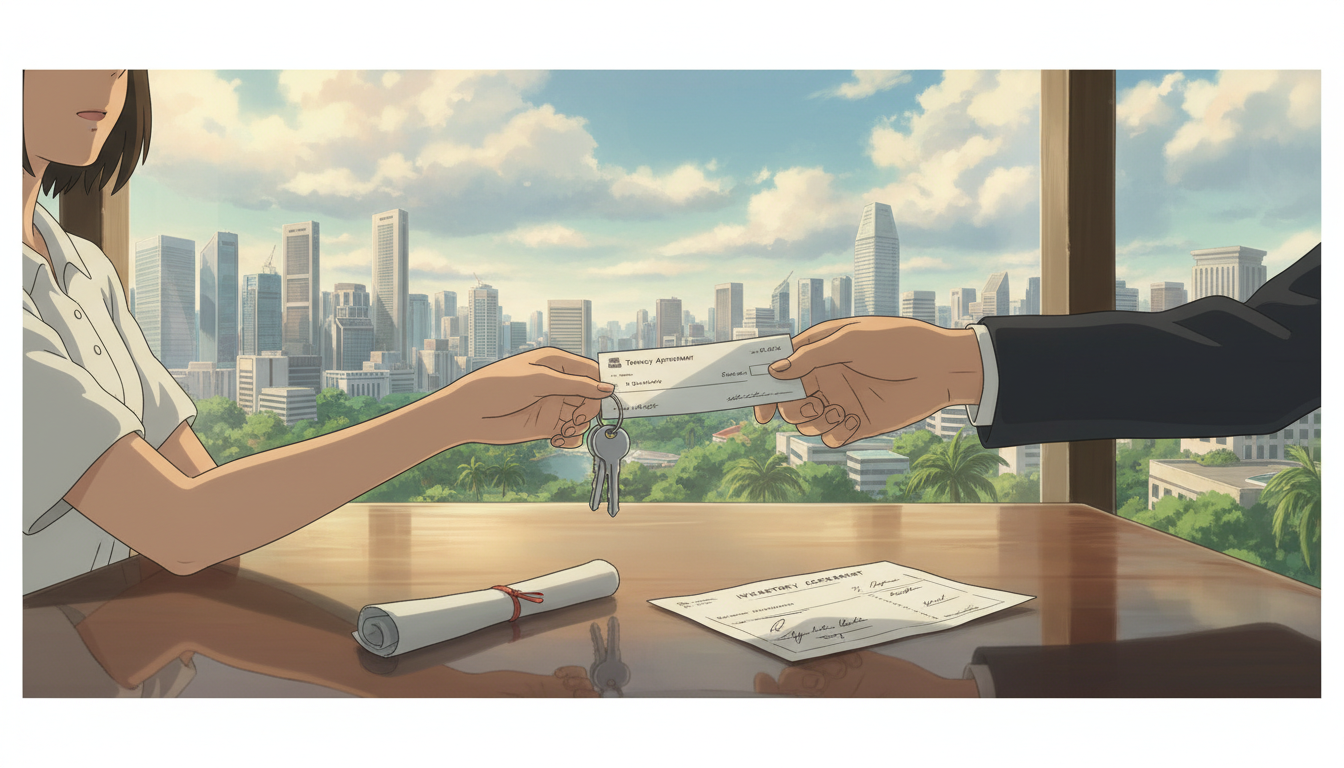
If you are dealing with a landlord dispute in Singapore, the fastest path is usually: document the issue, communicate in writing, try rental dispute resolution through mediation, and only escalate to the Small Claims Tribunals or a lawyer if needed. For tenants and landlords alike, the best outcome usually comes from acting early, keeping records, and using the tenancy agreement as the starting point for every decision.[1][2][4]
This cluster article supports Homejourney’s broader rental rights pillar by focusing on practical How to Handle Disputes with Your Landlord Singapore Alternatives for real-life tenancy conflict, tenant complaint scenarios, and mediation rental options in Singapore.[2][4]
How to handle disputes with your landlord in Singapore
The most effective way to handle a tenant complaint or landlord complaint is to stay factual and move in stages: speak calmly first, confirm the issue in writing, propose a clear fix, and keep evidence of everything you send and receive.[2][5] In Singapore, this matters because rental disputes are usually resolved through contract terms, common law principles, mediation, or the Small Claims Tribunals rather than through broad tenant-protection legislation.[1][4]
For tenants, common triggers include repair delays, deposit deductions, access issues, or disagreements about fair wear and tear.[5] For landlords, common triggers include unpaid rent, unauthorised occupants, property damage, or breach of house rules. The key is not to frame the matter emotionally; instead, state the dates, the clause involved, the impact, and the outcome you want.[2]
Step 1: Put the dispute in writing
Written communication creates a paper trail that can later support mediation or a claim.[2][3] Use email or WhatsApp, and keep screenshots, timestamps, invoices, inspection photos, and any replies. If the problem is urgent, you can call first, but always follow up in writing so there is no dispute over what was said.[2]
- State the issue clearly and briefly.
- Refer to the tenancy clause, if there is one.
- Attach photos, receipts, or inspection notes.
- Set a reasonable deadline for response, often 7 to 14 days.
Step 2: Use mediation before court
If direct discussion fails, mediation is often the most practical alternative to a full legal fight. In Singapore, the Singapore Mediation Centre and the Community Mediation Centre are commonly used pathways for tenancy conflict resolution, and industry guidance notes that disputes may be escalated there after the lease is signed.[1][4] Mediation is especially useful when both sides still want to preserve the tenancy relationship or avoid the cost and delay of formal proceedings.[2][4]
For many disputes, mediation works best when both sides bring a short, organised case file: the agreement, photos, payment records, repair quotes, and a list of exact requests. A mediator does not decide who is “right” in the way a judge does; instead, the mediator helps both parties reach a workable settlement.[2][4]
Step 3: Escalate to the Small Claims Tribunals if eligible
The Small Claims Tribunals can handle certain tenancy-related claims up to SGD 20,000, which makes it a common route for deposit, rent, and damage disputes when negotiation fails.[1][3] This is often the right path when the amount is relatively modest and the facts are documented. It is important to check that your dispute type and claim amount fall within the tribunal’s scope before filing.[1][3]
For tenants, this can be useful for recovering a deposit or challenging unfair deductions. For landlords, it may be the right channel for unpaid rent or compensation for damage beyond fair wear and tear. The landlord usually must prove the damage or breach, while the tenant should preserve evidence showing the property condition at move-in and move-out.[5]
Common rental dispute scenarios and what to do
Most Singapore rental disputes fall into a few repeat patterns, and the response should match the issue. A repair problem needs photos, a timeline, and a request for action. A deposit dispute needs move-in and move-out records. A payment dispute needs bank statements and reminders.[2][5]
Security deposit disagreements
Security deposit conflicts usually happen at the end of the tenancy, especially when landlords deduct for cleaning, replacement, or alleged damage. The practical test is whether the issue is ordinary wear and tear or actual misuse.[5] A landlord should not charge a tenant for normal ageing of items, and if something is damaged, the landlord should be able to show evidence and a reasonable repair or replacement basis.[5]
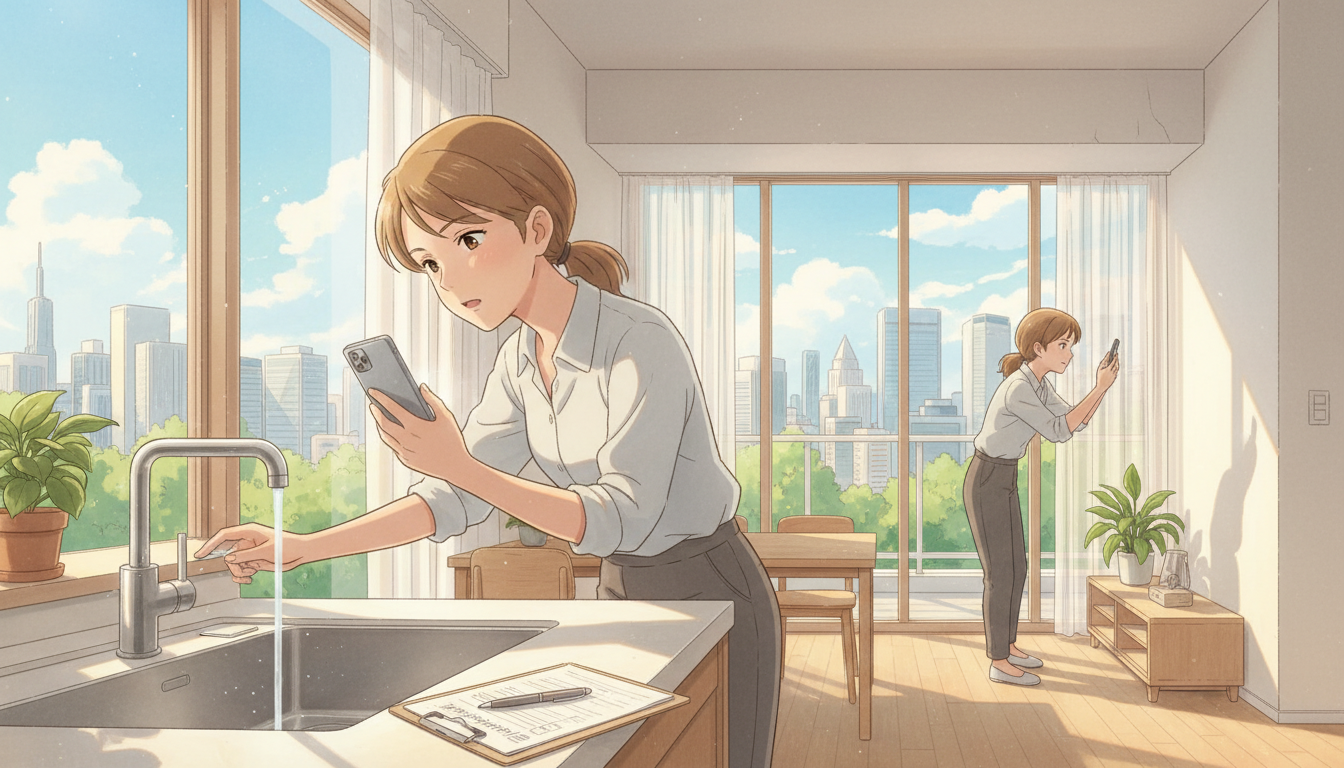
Homejourney’s end-of-tenancy advice is to create a photo record on move-in day, repeat the same inspection on move-out day, and keep all receipts for cleaning, servicing, and repairs. For readers preparing to move, related guidance is available in End of Tenancy Cost & Rights Guide for Singapore Tenants | Homejourney and Security Deposit Transfer: Rental Sales in Singapore | Homejourney .End of Tenancy Cost & Rights Guide for Singapore Tenants | Homejourney Security Deposit Transfer: Rental Sales in Singapore | Homejourney
Repair and maintenance disputes
When an air-conditioner breaks down, a leak appears, or appliances stop working, first check the tenancy agreement to see who is responsible.[5] If the agreement is silent, the parties usually fall back on the contract’s wording and common-sense allocation of responsibility. Early reporting is important because delaying a complaint can make the landlord argue that the damage worsened due to inaction.[5]
If the issue affects habitability, keep a timeline of the problem, including messages showing when it was reported and whether access was provided for contractors. For maintenance-related support after moving in, Homejourney’s property services resources such as Aircon Services can help tenants and owners keep the unit in working condition.
Late rent and payment disputes
For landlords, late rent is one of the most common sources of tenancy conflict. The safest approach is to send a written reminder quickly, state the overdue amount, and give a clear deadline for payment before escalating.[2] If the tenant is facing temporary financial difficulty, a short written instalment plan can reduce the risk of a larger dispute later.[5]
For investors assessing repayment risk before leasing, financing and cash-flow planning are important. Homejourney users can review market and financing tools through Bank Rates and property search options at when preparing a new tenancy strategy.
What landlords and tenants should document
Good documentation is the strongest protection in any rental dispute resolution process. CNA has reported that tenants should photograph the property on move-in and send the condition record to the landlord, while landlords should prove misuse rather than assume it.[5] In practice, both sides should treat the inventory and inspection report as part of the tenancy agreement, not as an optional extra.[5]
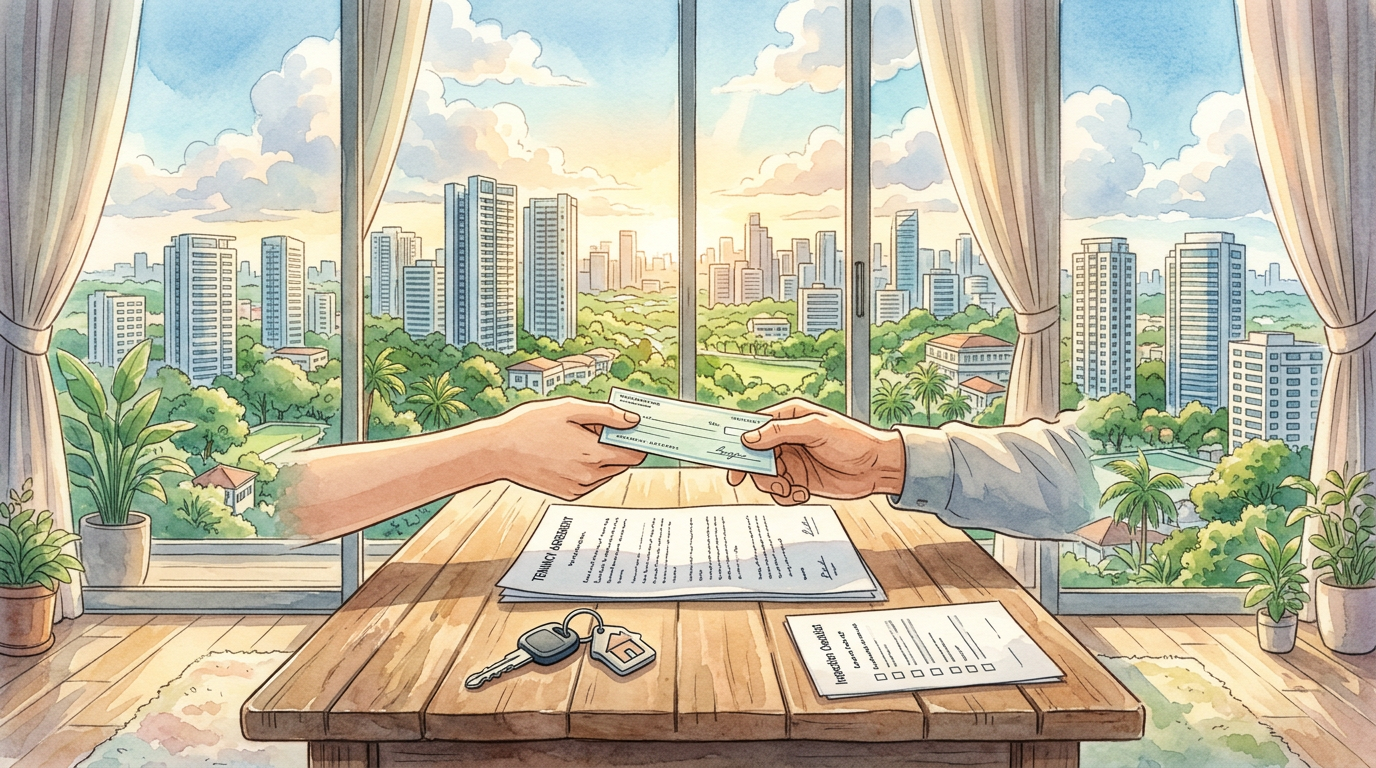
- Signed tenancy agreement and addenda.
- Move-in and move-out photos or videos.
- Inventory list for appliances, furniture, and fittings.
- Receipts for rent, deposits, cleaning, and repairs.
- All written messages about defects, approvals, and deadlines.
For landlords, it also helps to screen tenants carefully, keep records of lease renewals, and use professional property agents when the unit is occupied by multiple parties or expatriate tenants. Homejourney’s agent network can be accessed via for owners who want structured tenant management and lower friction during a tenancy.
Legal and regulatory points Singapore owners should know
Singapore does not have rent control, so rent is generally shaped by market conditions and the agreed contract terms.[1] Written agreements are not strictly mandatory, but they are strongly recommended because they define notice periods, repair responsibilities, occupancy limits, and deposit terms.[2] For leases of one year or more, stamp duty applies under the Stamp Duties Act, and the commonly cited rate is 0.4% of the annual rent.[1]
Landlords also need to keep tax compliance in mind, because rental income is reportable to IRAS. If the property is an HDB flat, subletting and occupancy rules must also be followed, and those rules can affect whether a lease arrangement is valid or whether an owner has permission to rent out the whole flat or a bedroom. Because these issues can affect legal enforceability, Homejourney recommends checking official guidance before signing or renewing any lease.[1][4]
When to get professional help
You should consider professional advice when the dispute involves major financial loss, unclear liability, repeated breach of contract, or a situation where one party refuses to engage in writing.[2][3] A lawyer may be appropriate if the claim is complex, if a formal Letter of Demand is needed, or if the matter may move beyond the tribunal’s scope.[3] If the issue is still workable, mediation is usually cheaper, faster, and less adversarial than court-based action.[2][4]
For landlords preparing to rent again after a dispute, Homejourney’s rental search and investor tools can support a cleaner reset: review available rental options at , speak with experienced professionals via , and review financing considerations at Bank Rates . Readers comparing property types or market context can also use Projects Directory for broader property research.
FAQ: landlord dispute and mediation rental questions
Can a tenant or landlord go straight to the Small Claims Tribunals?
Yes, if the dispute fits the tribunal’s jurisdiction and claim amount, which is commonly stated as up to SGD 20,000 for relevant residential tenancy claims.[1][3] However, mediation is often attempted first because it can settle the issue faster and with less cost.[2][4]
Is a written tenancy agreement required in Singapore?
No, but it is strongly recommended because most rental dispute resolution depends on the contract terms and the evidence each side can produce.[2] A written agreement reduces ambiguity on repairs, deposits, notice, and use of the property.
What is the best evidence for a deposit dispute?
Use move-in and move-out photos, an inventory list, repair quotes, cleaning receipts, and the full message thread about the issue.[5] Evidence that shows the property condition before and after the tenancy is usually the most persuasive.
Should I send a Letter of Demand before filing a claim?
In many cases, yes, because it shows a final attempt to resolve the matter and sets out the amount or action demanded with a deadline.[3] It is especially useful when the other side has stopped responding or when the dispute involves a clear monetary claim.
What is the safest first step if I have a tenancy conflict now?
Document the issue, stay calm, and send a written message with dates, photos, and the specific clause involved.[2][5] Then propose a practical solution and give the other party a clear response deadline before escalating to mediation.
For a broader view of tenancy rights, dispute steps, and move-out obligations, return to Homejourney’s main rental rights pillar and related guides such as Avoiding Costly Landlord Dispute Mistakes in Singapore | Homejourney and End of Tenancy in Singapore: Tenant Rights, Obligations & Move-Out Checklist | H... .